

Celebrating 20 Years of BMS and Kicking Off the Second Funding Period of MATH+
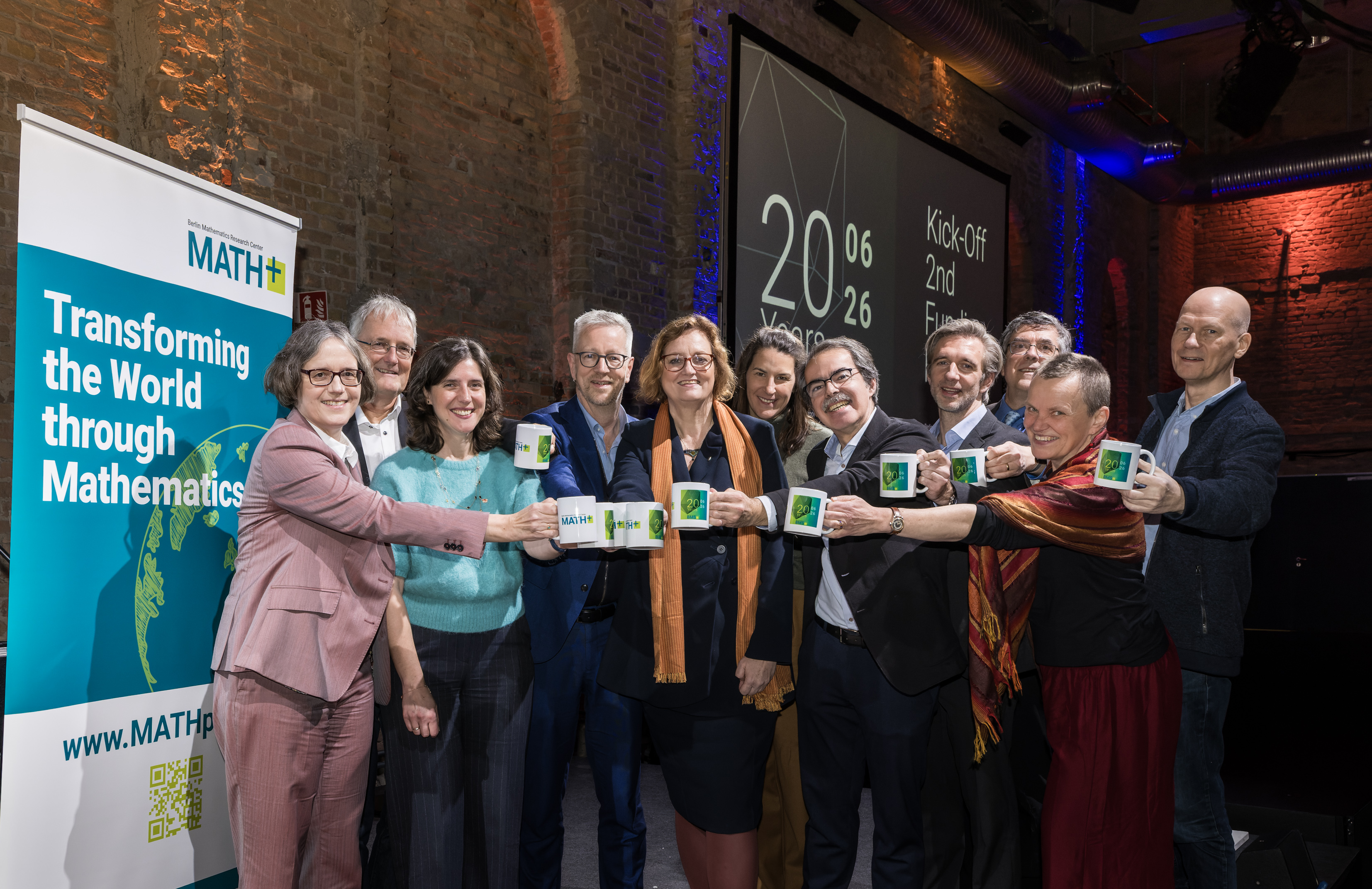

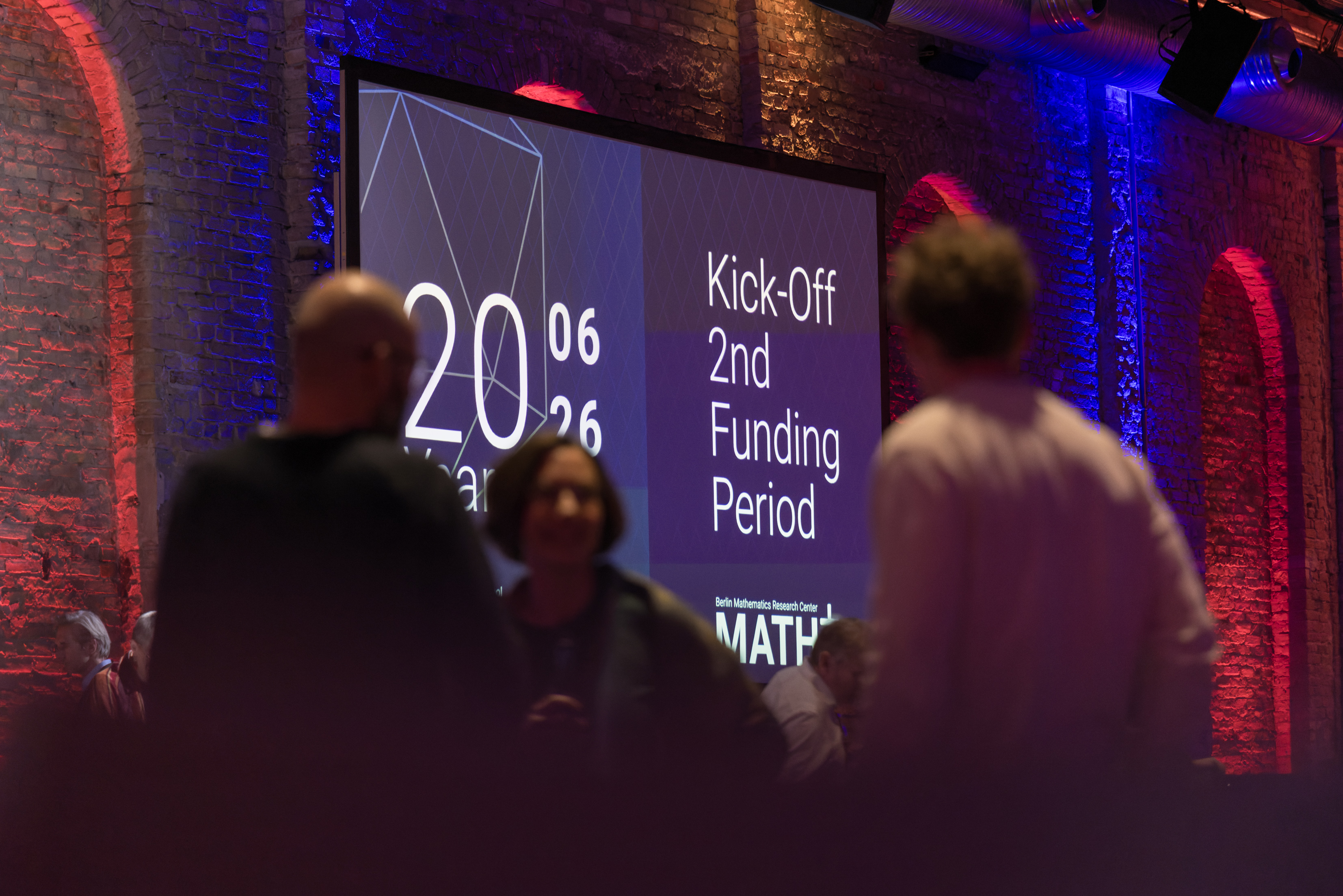

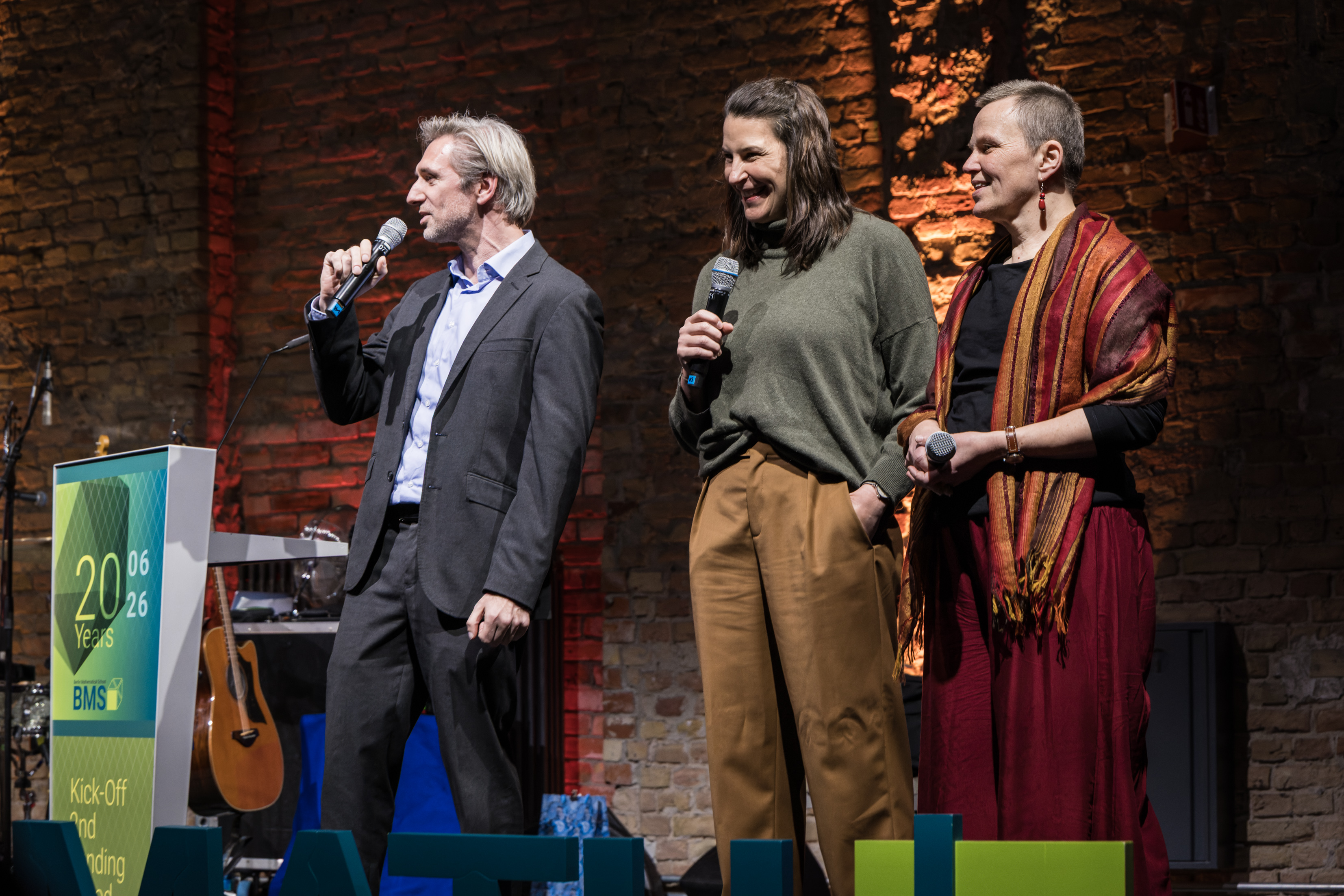
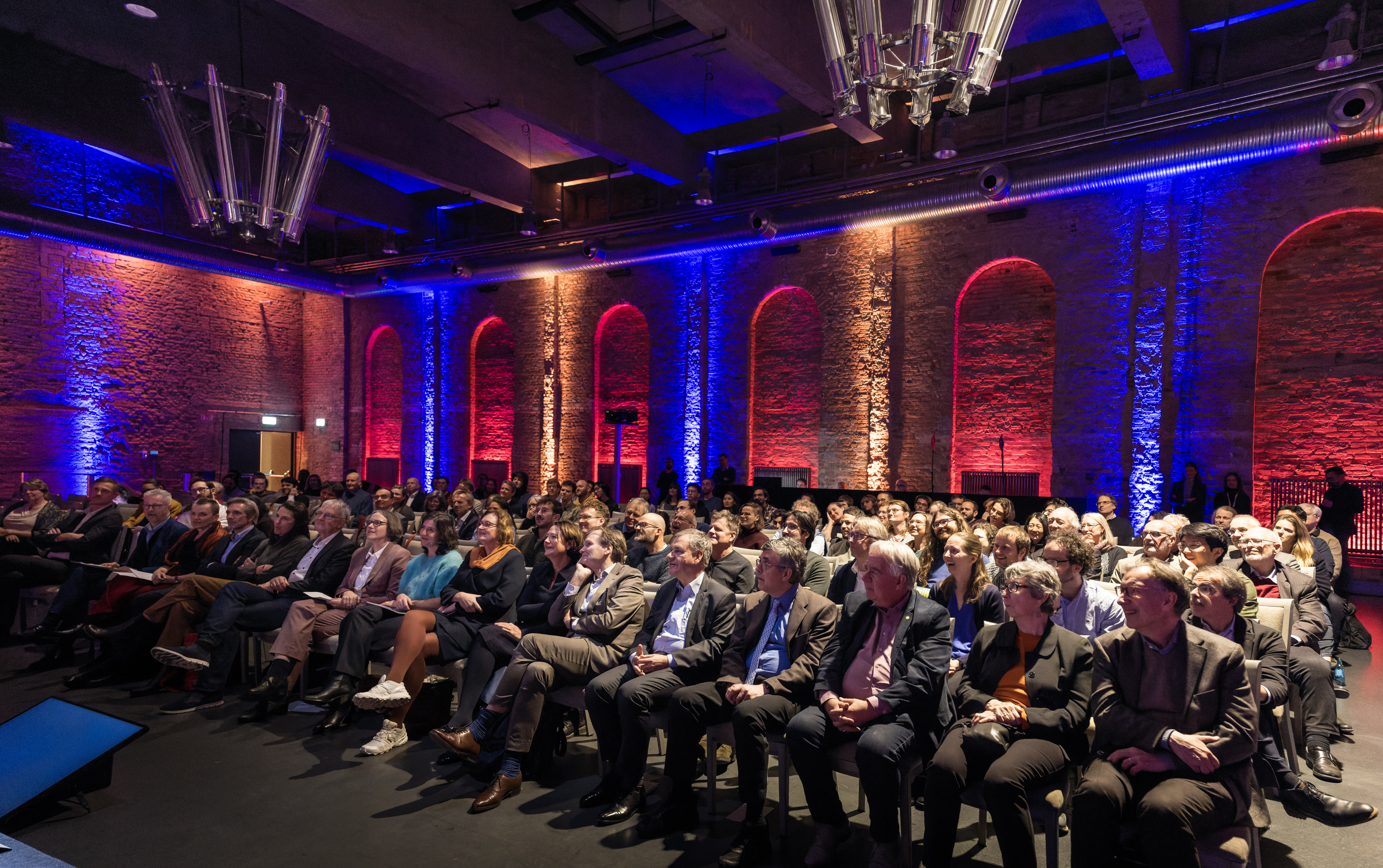
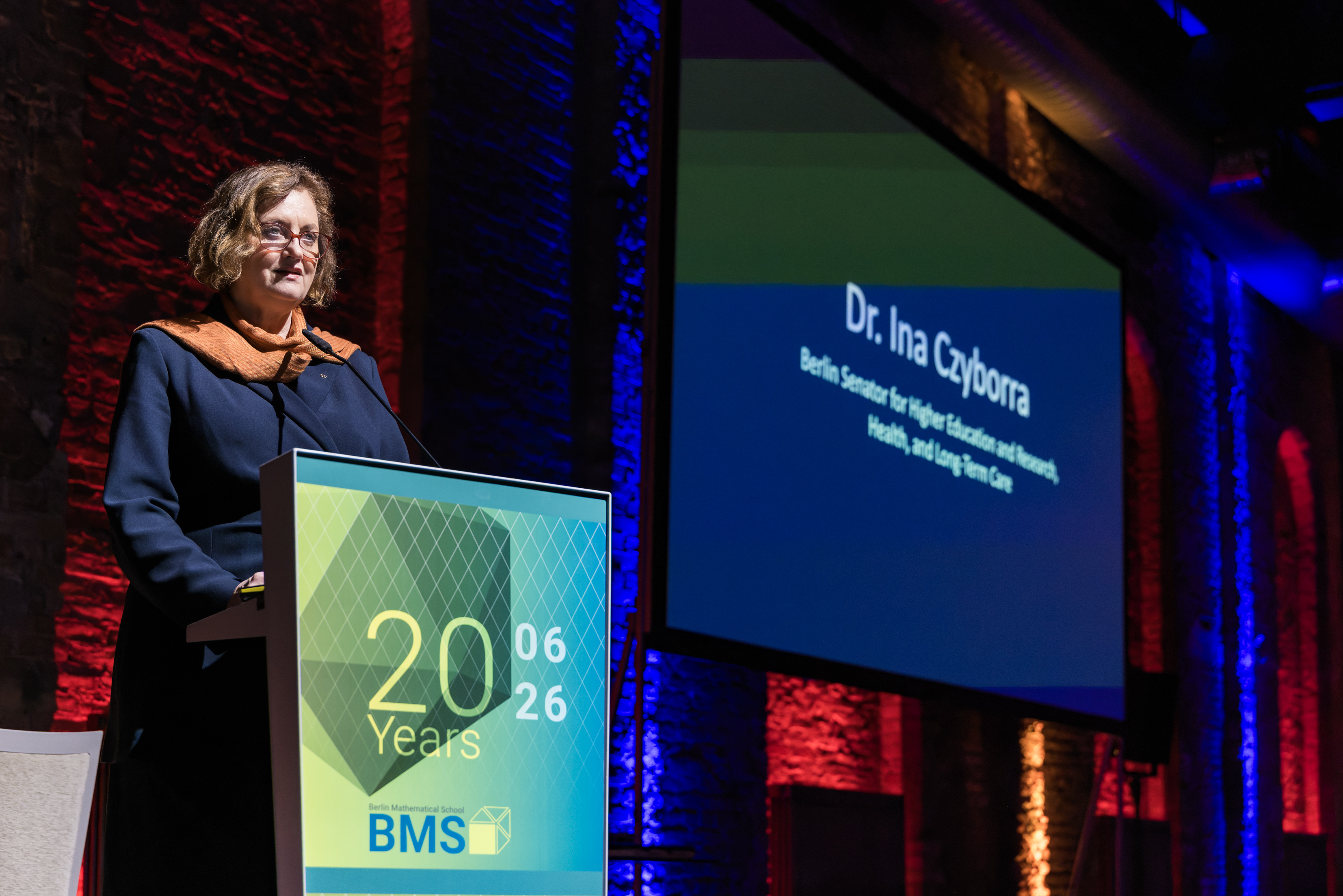
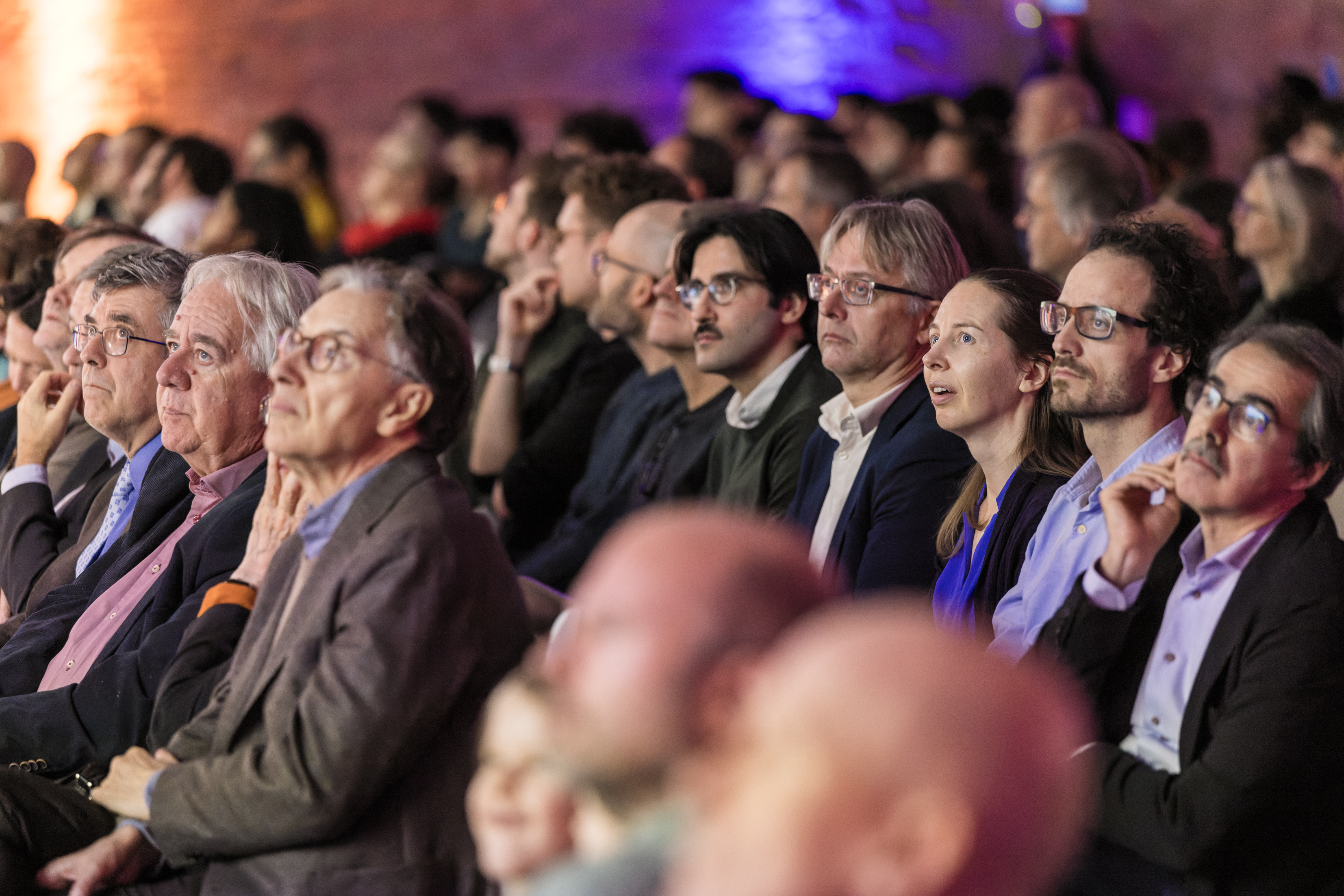

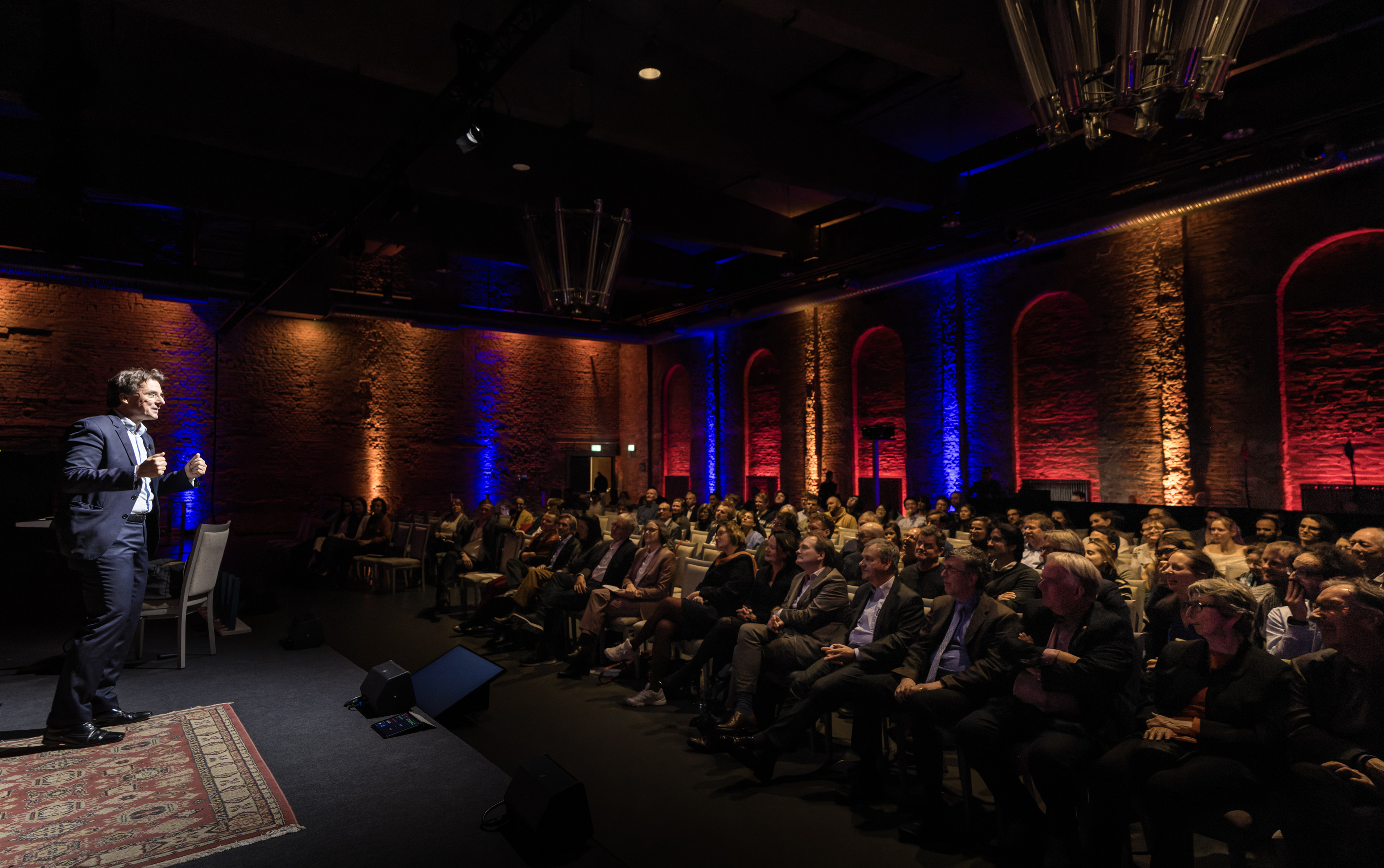
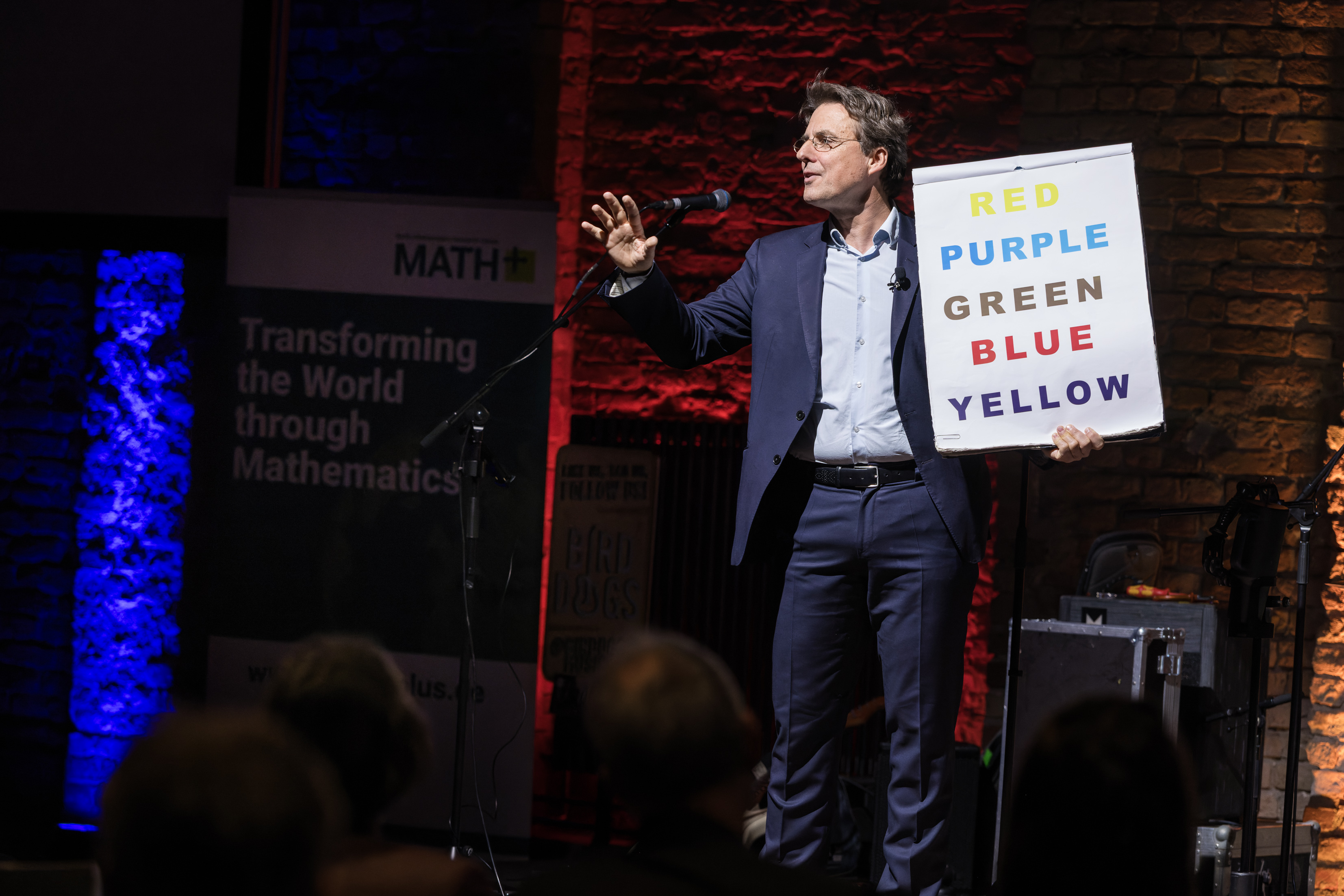

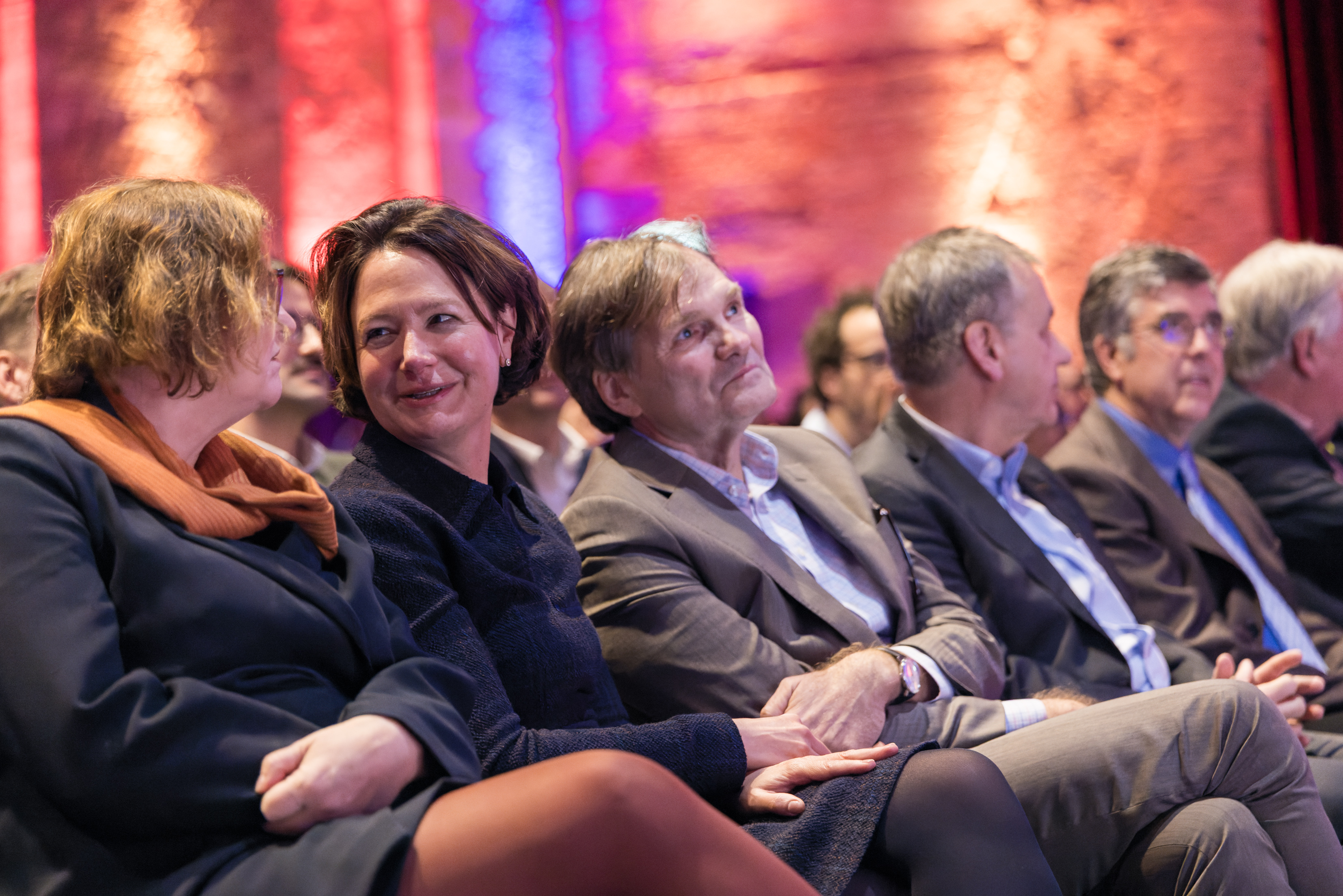
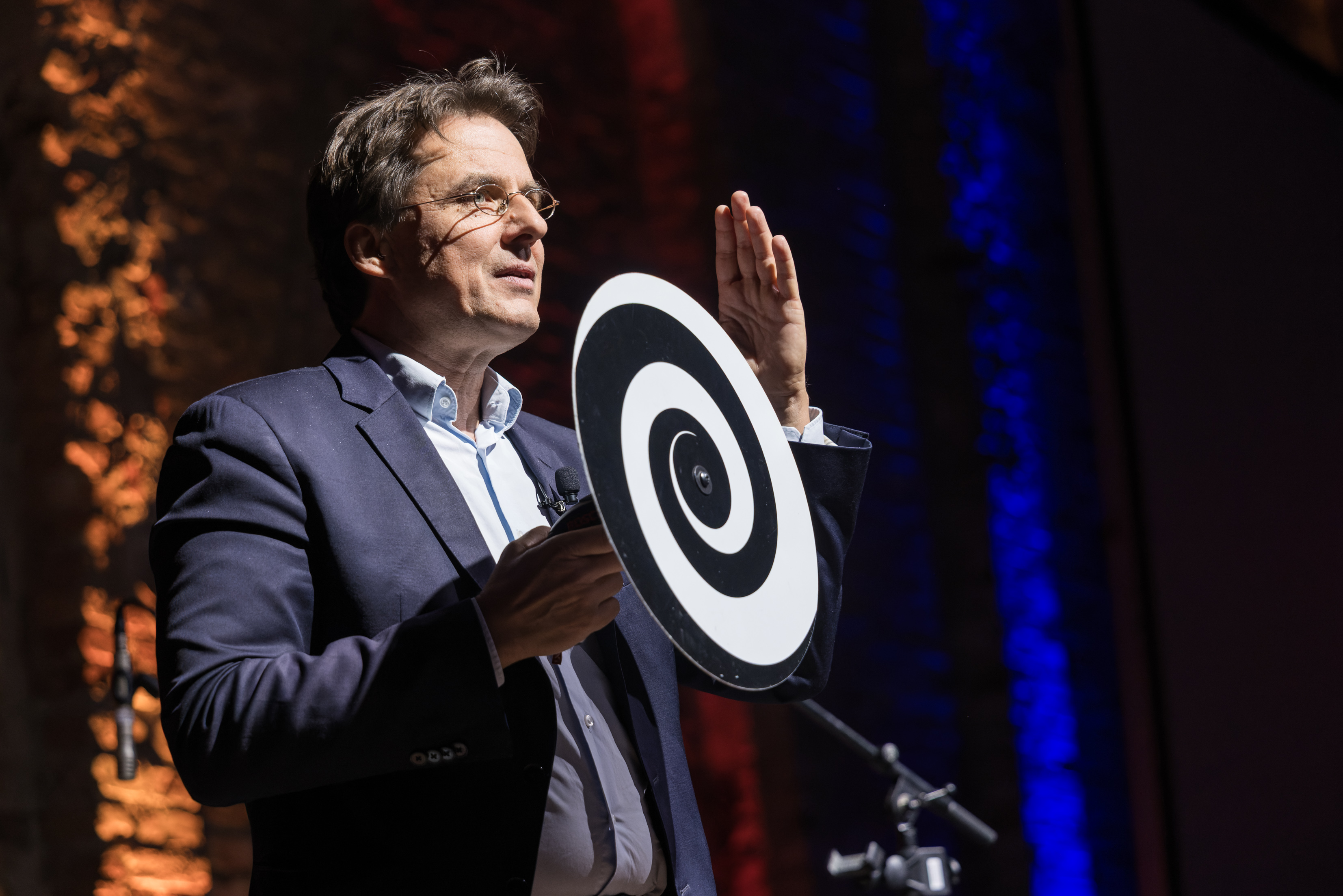
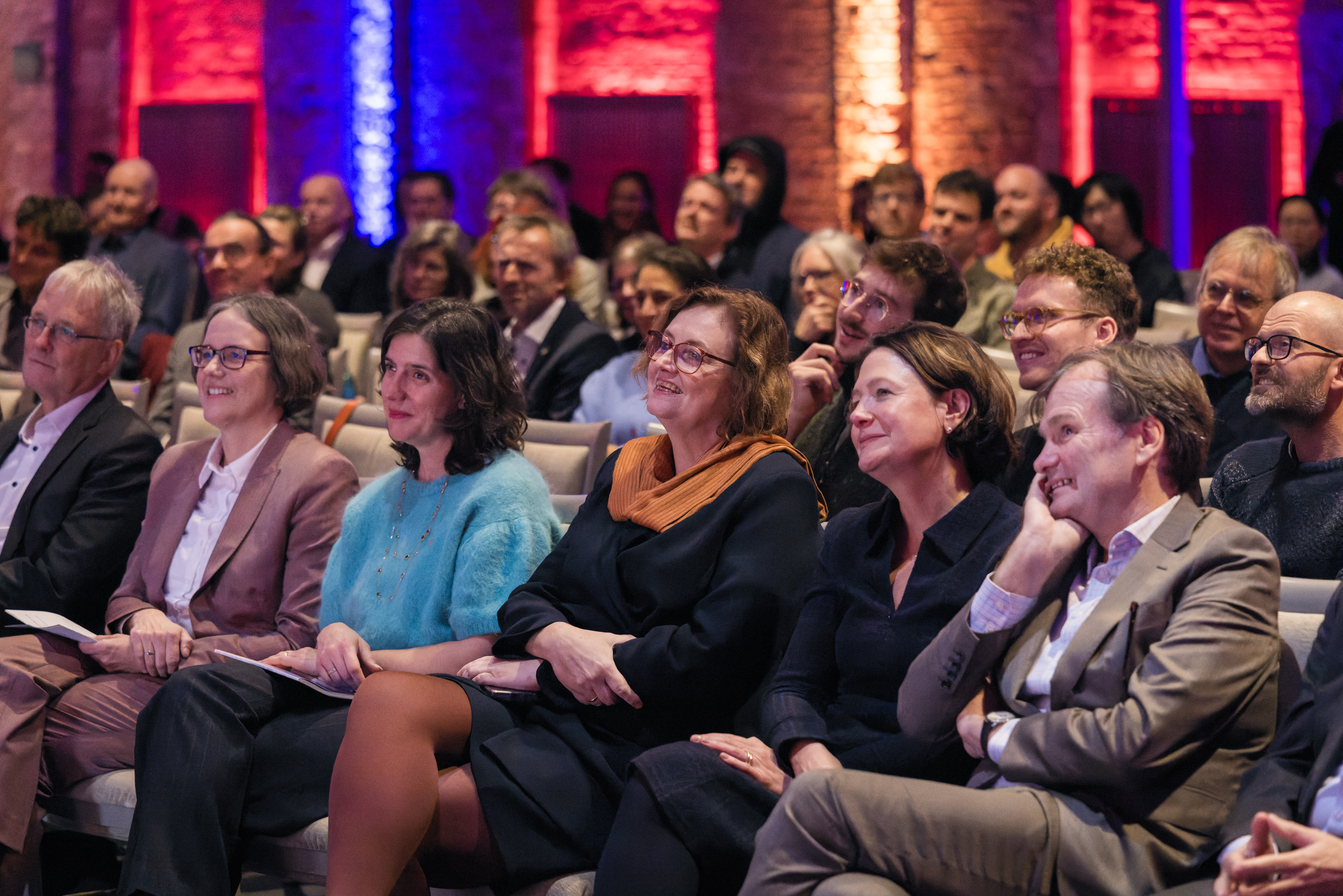

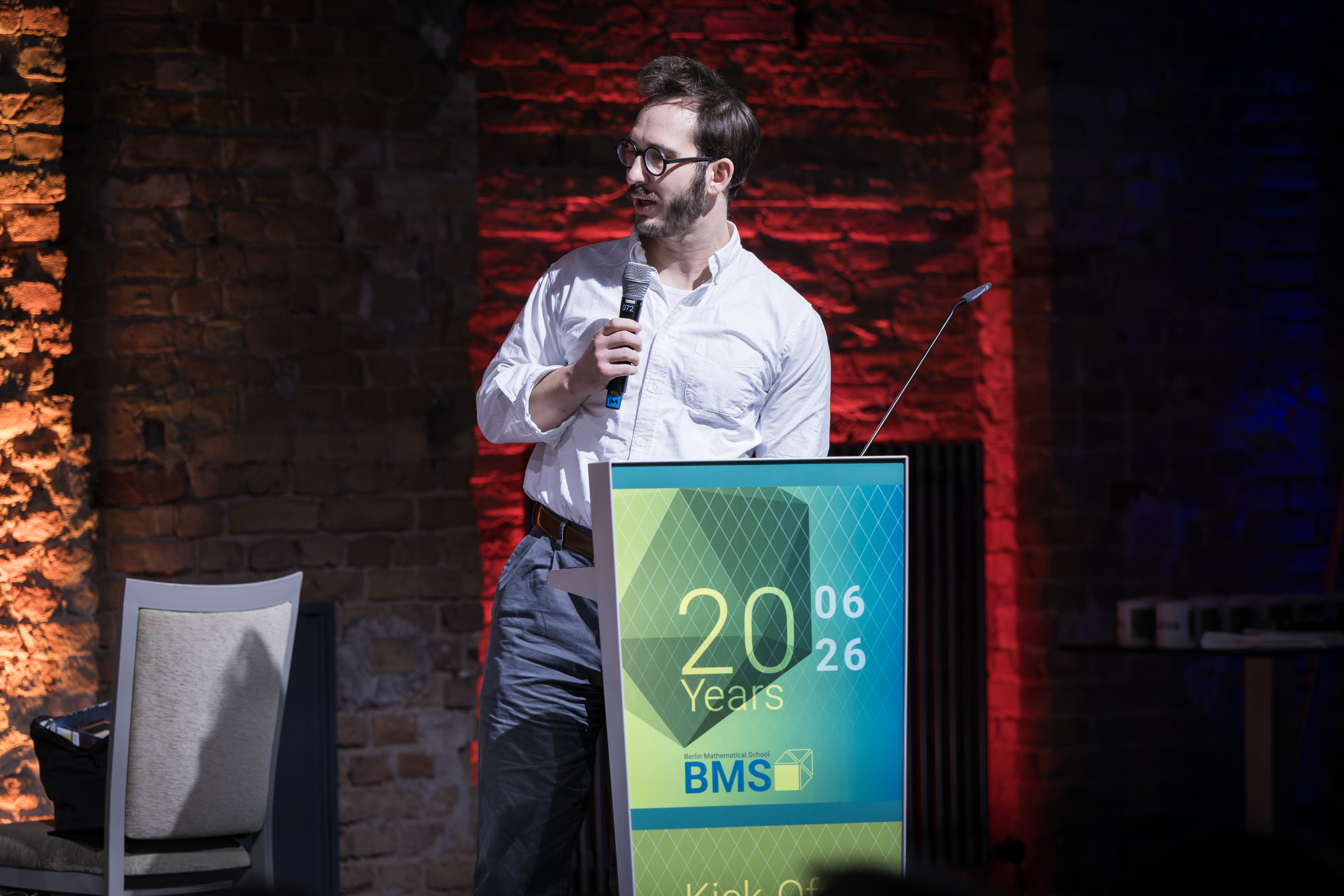
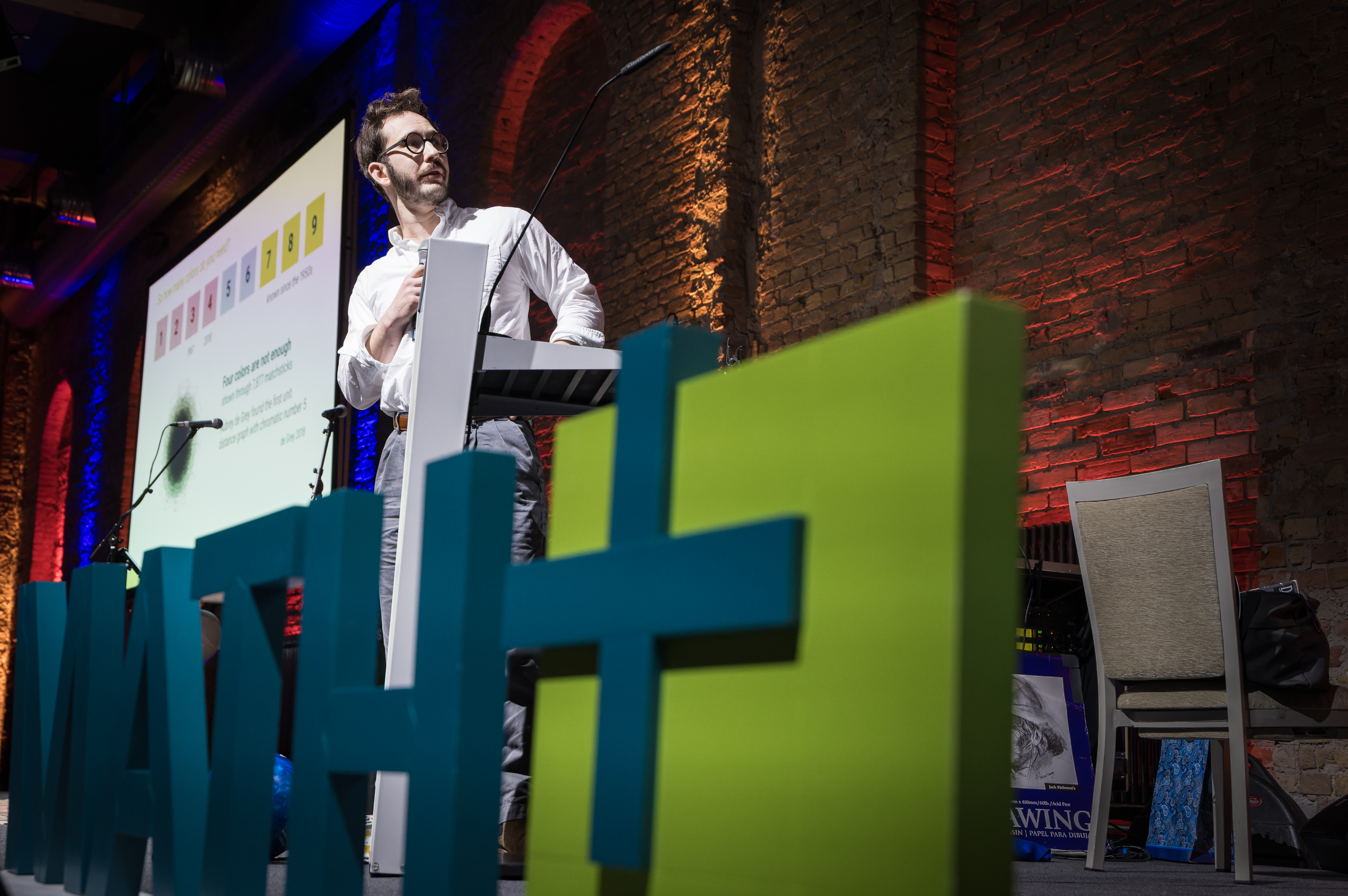
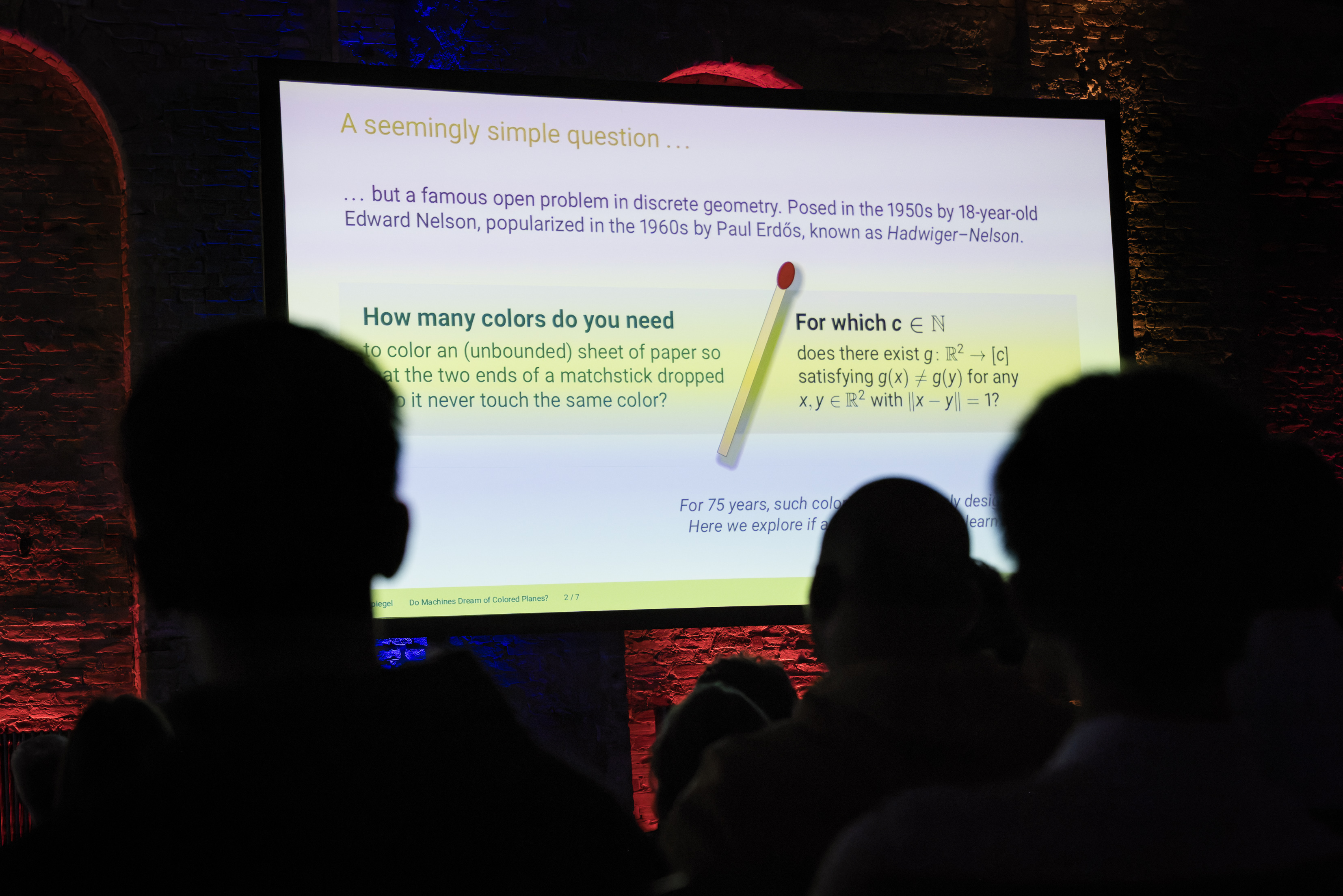

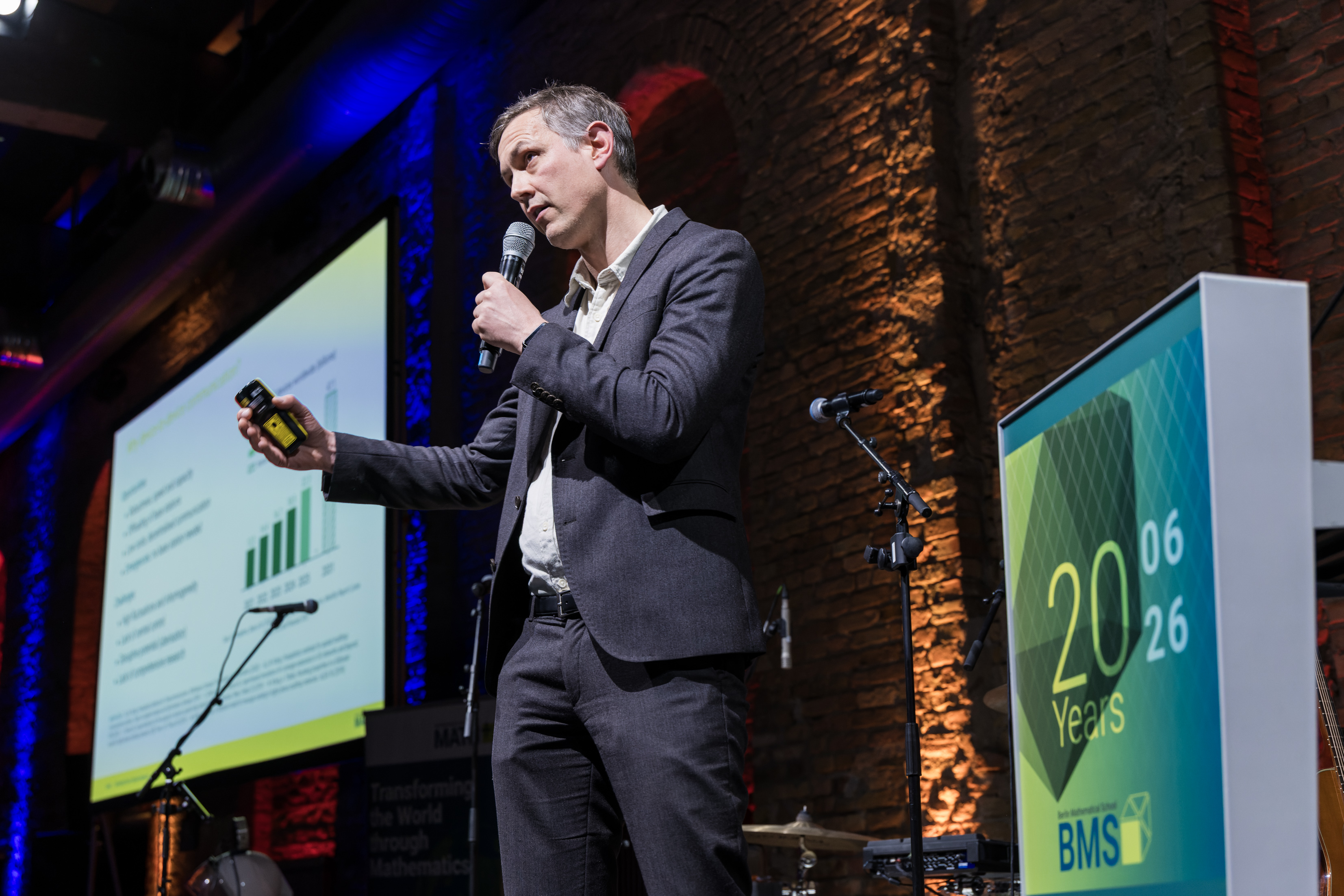
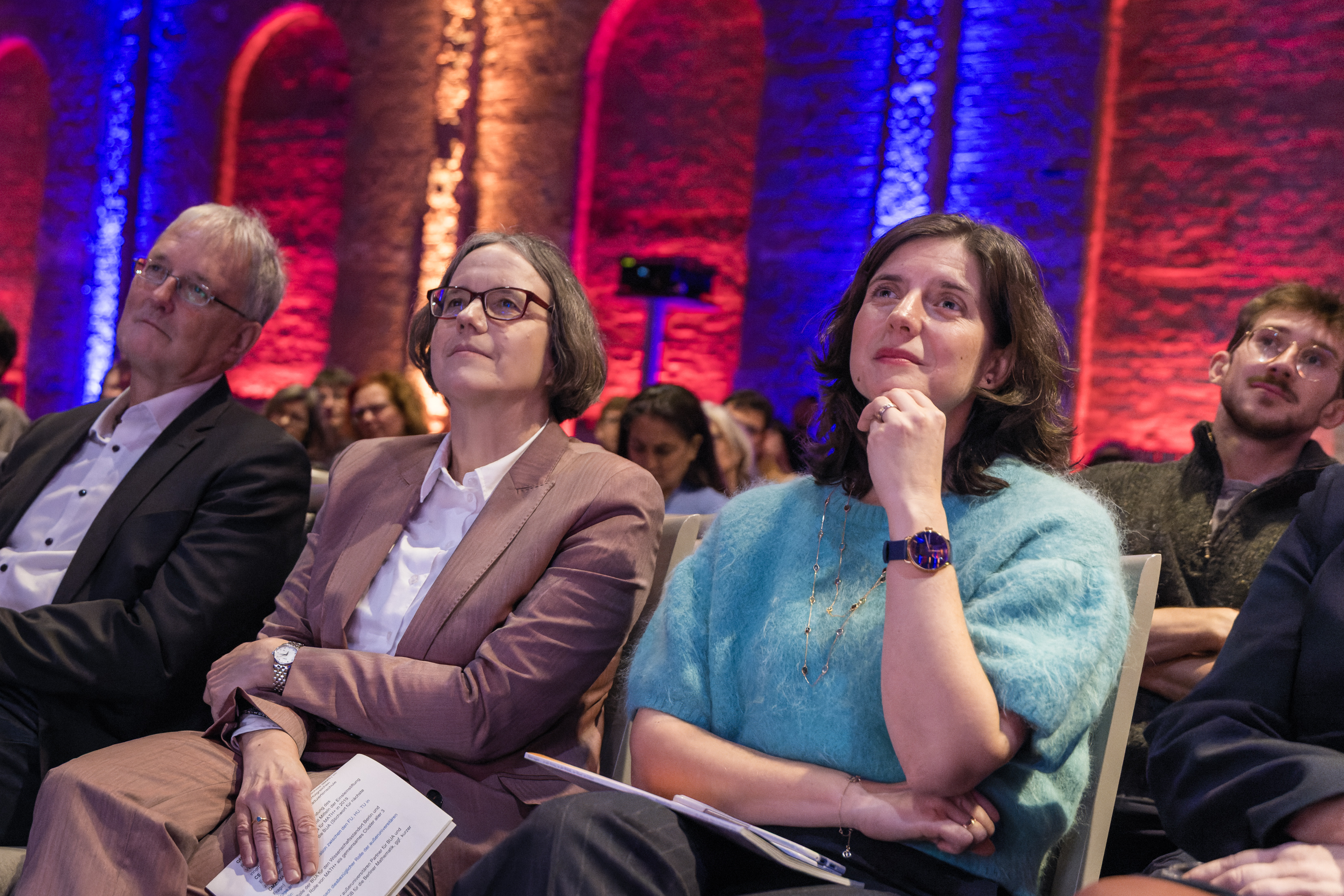
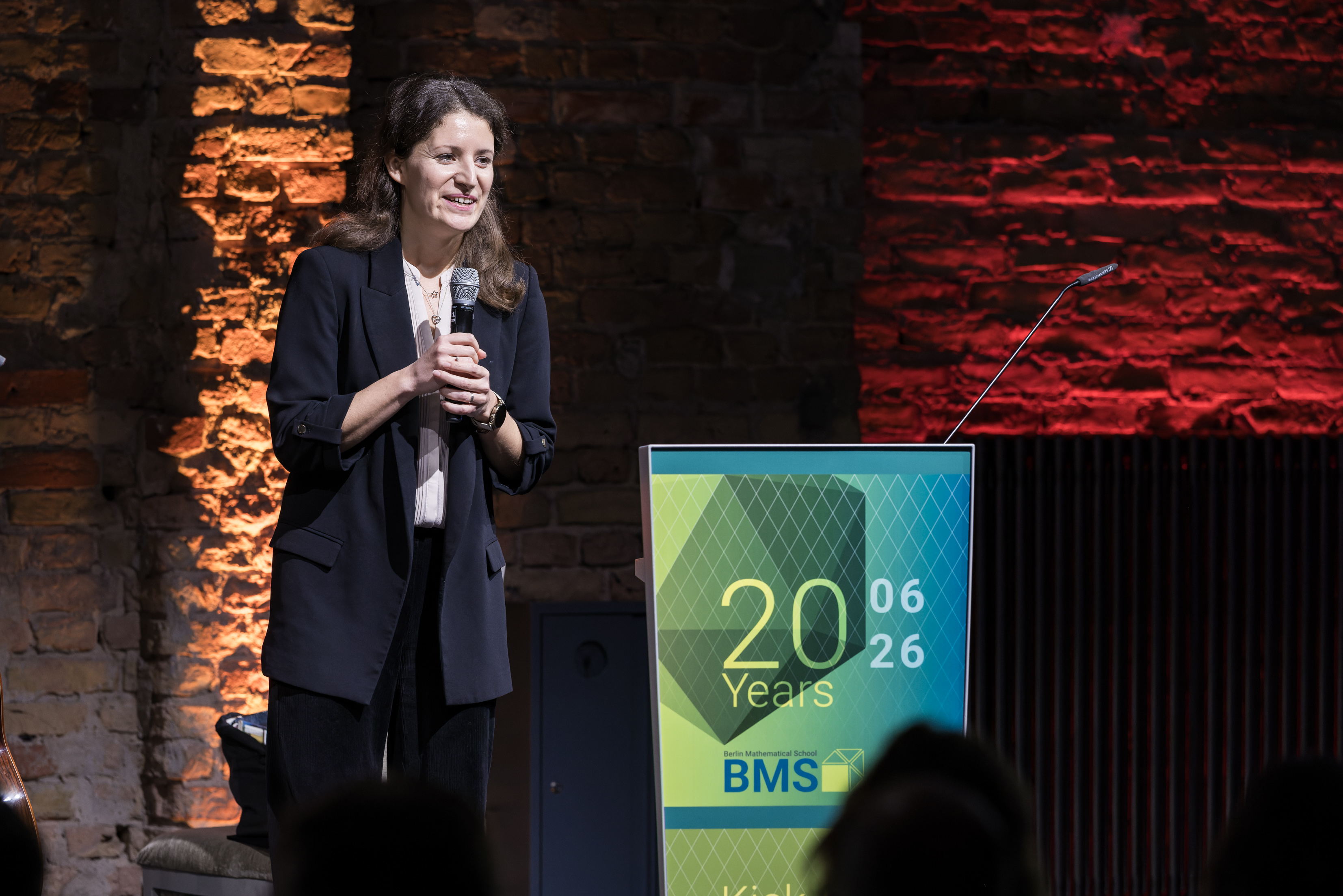
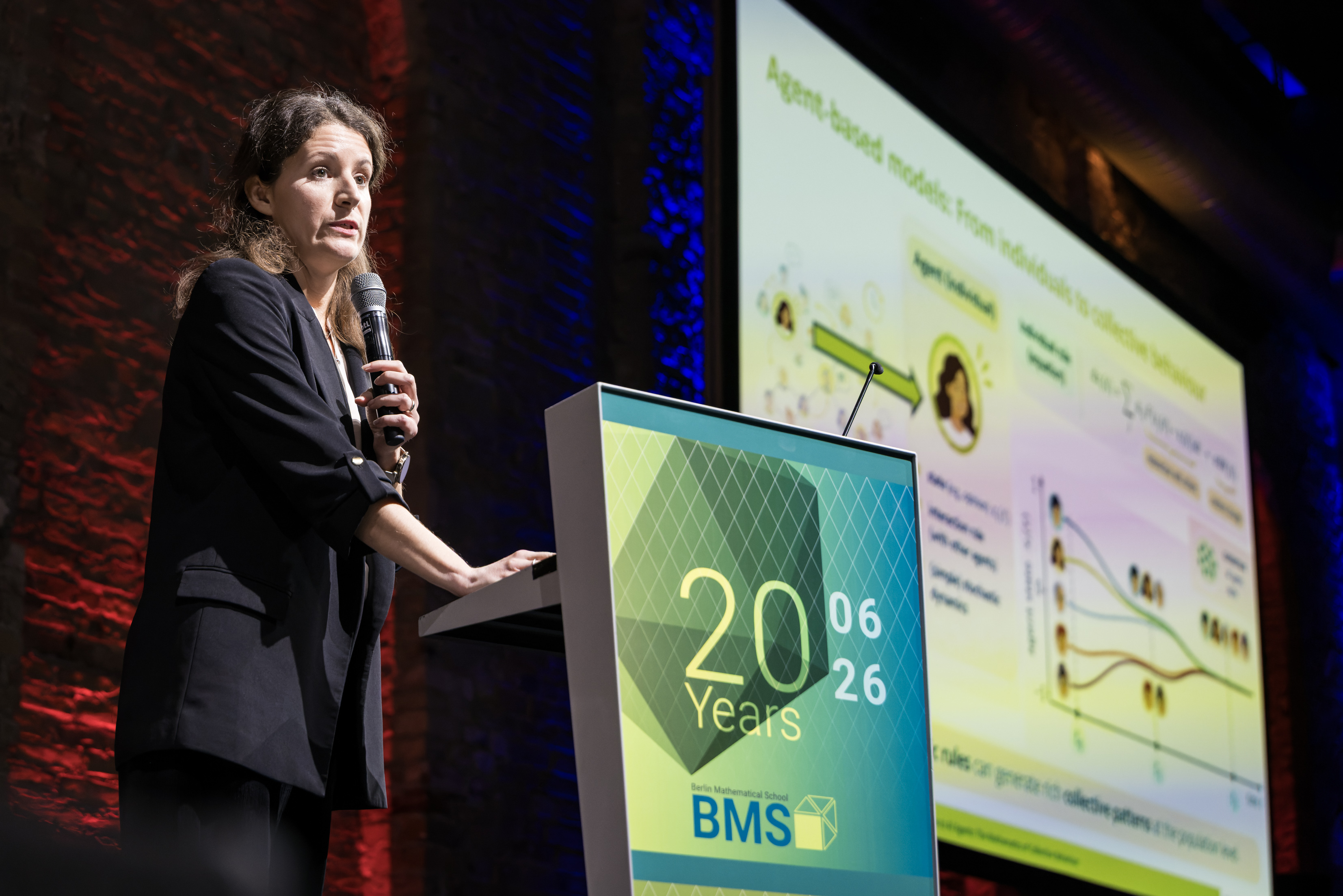
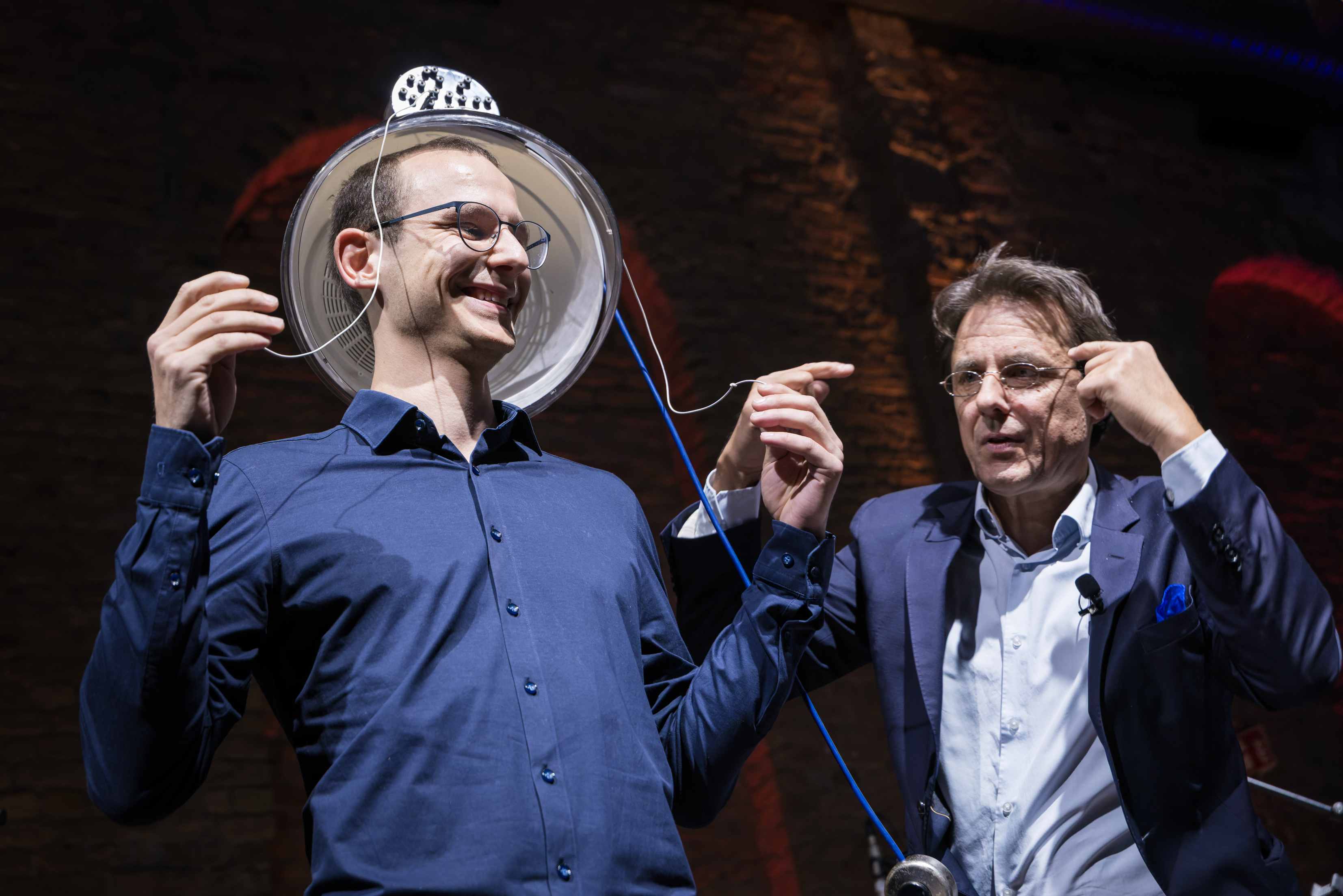
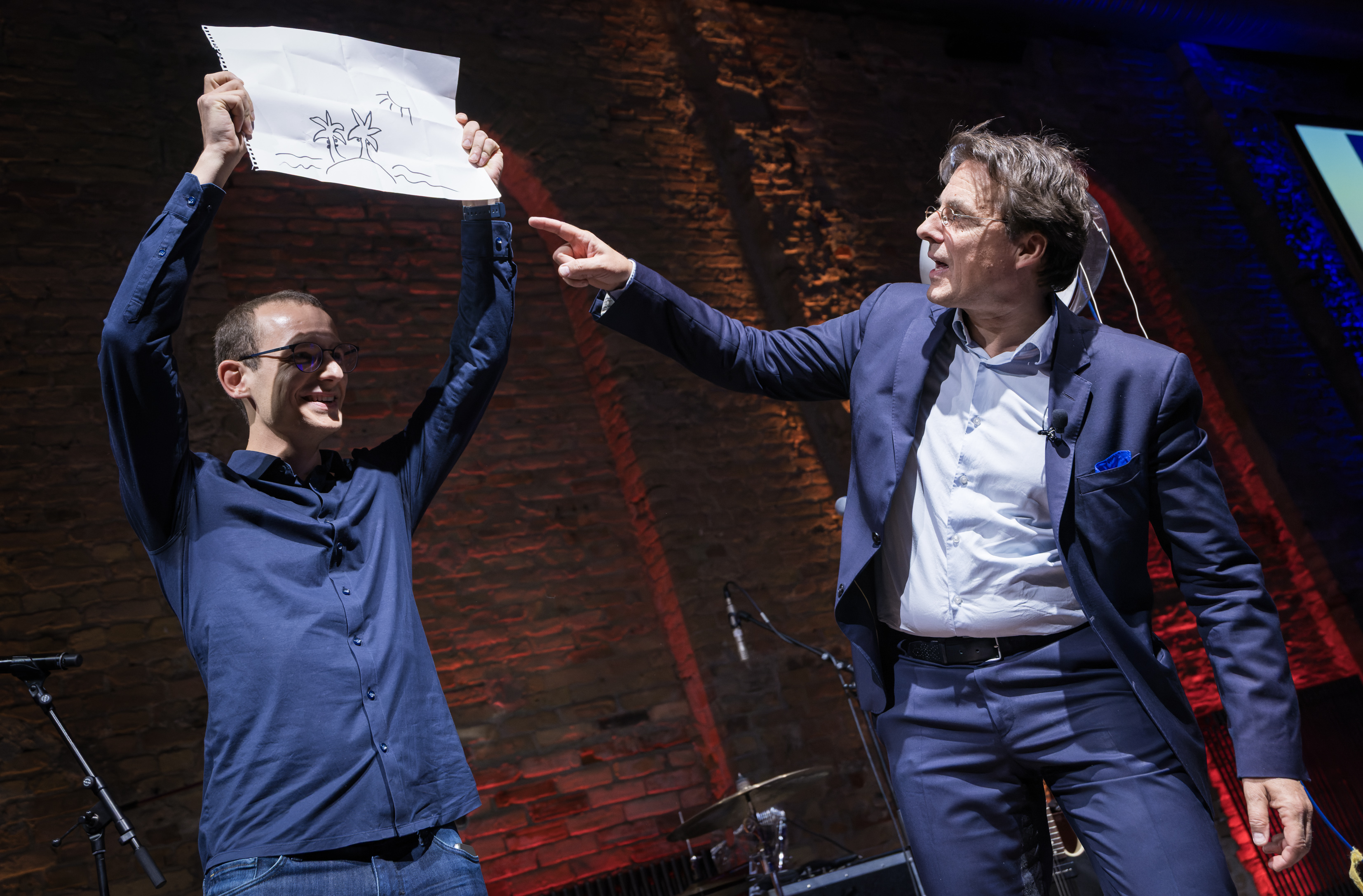
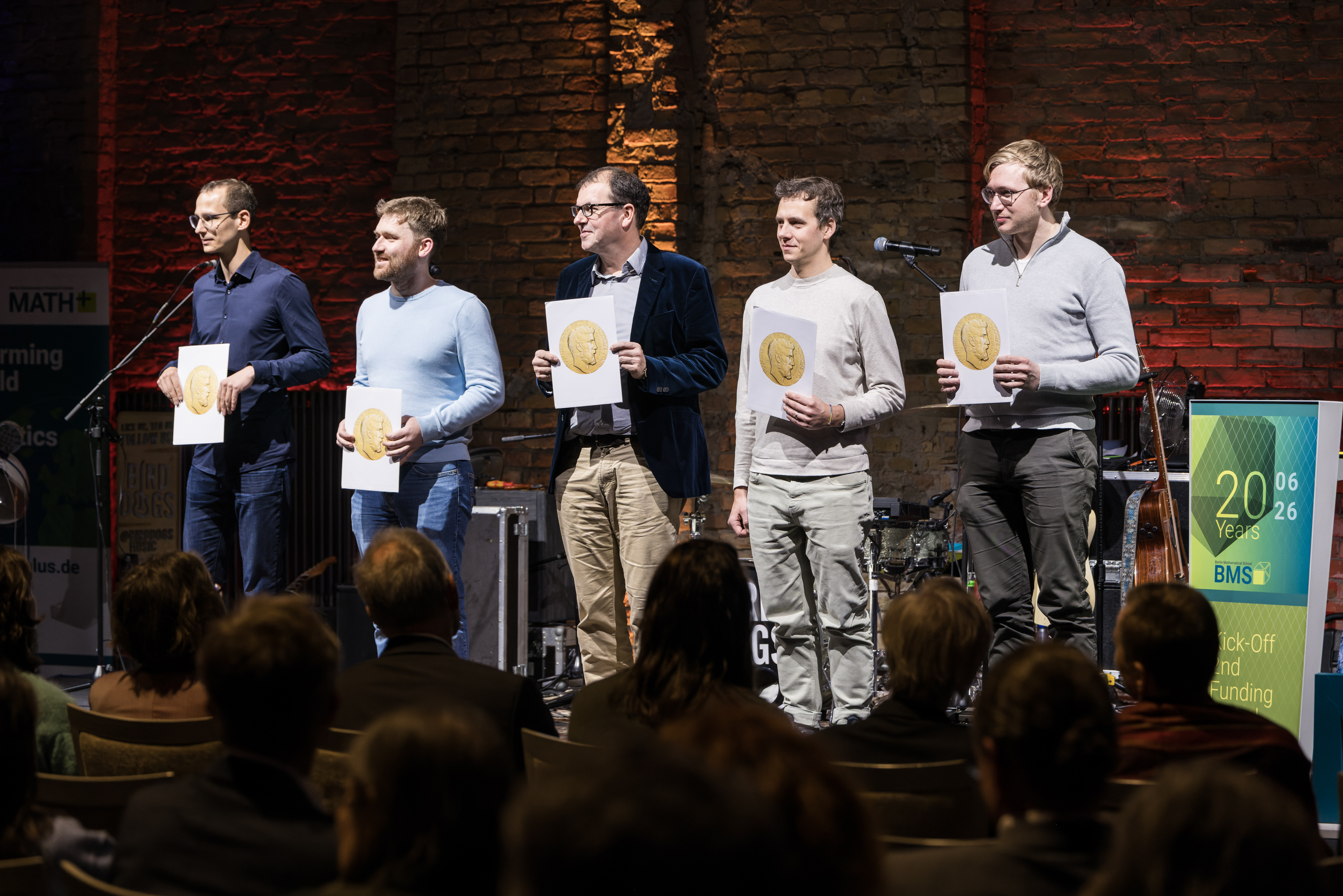
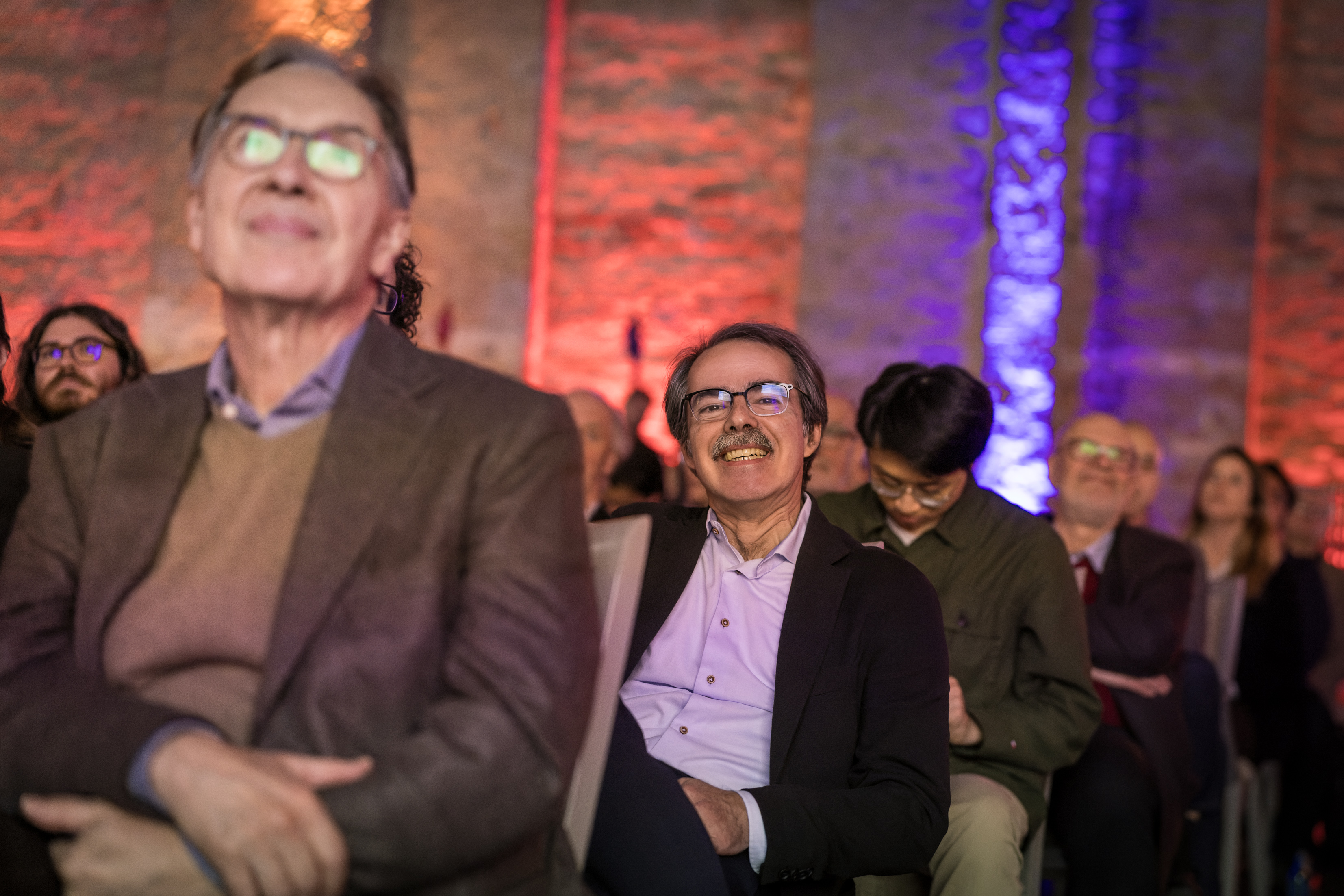
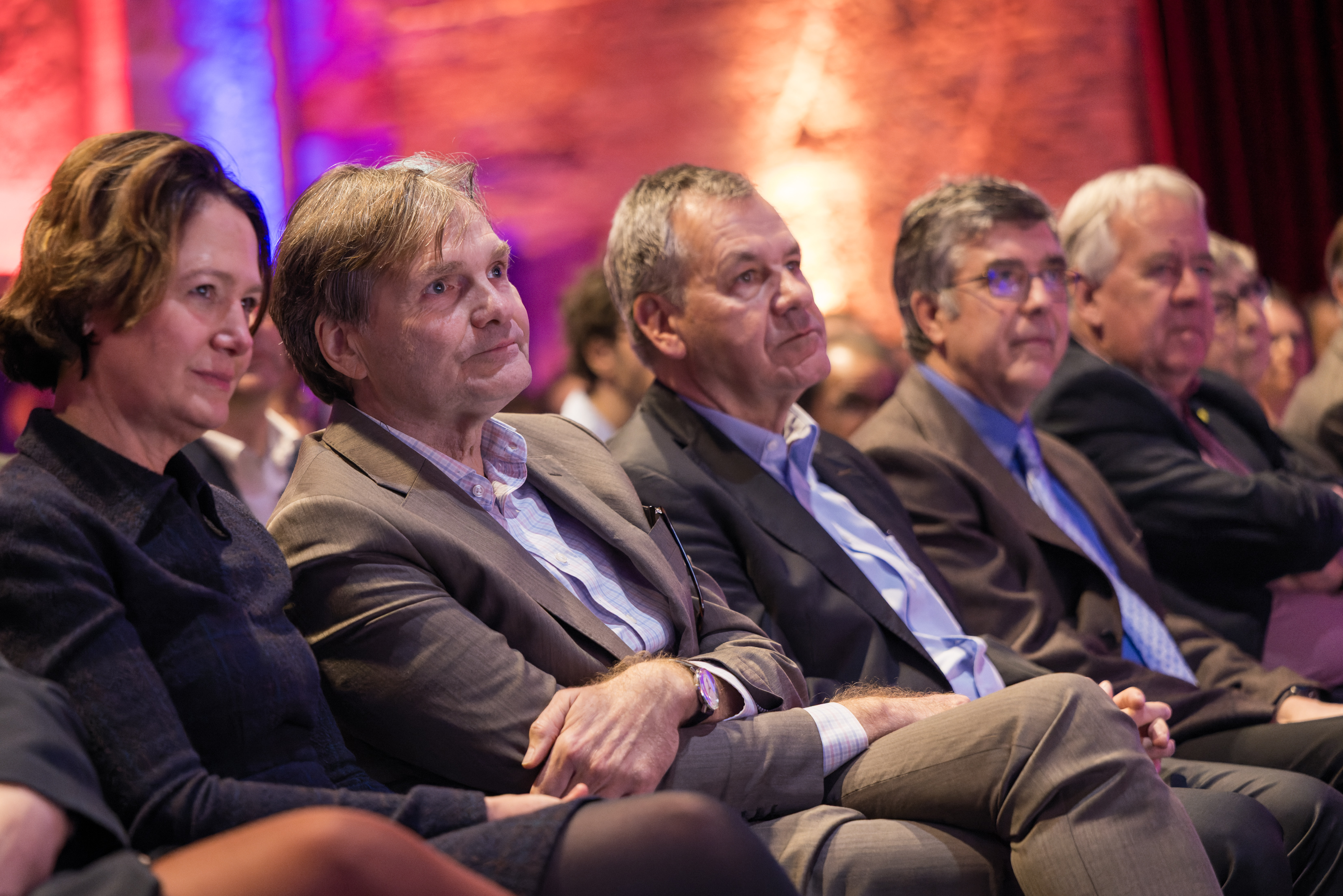
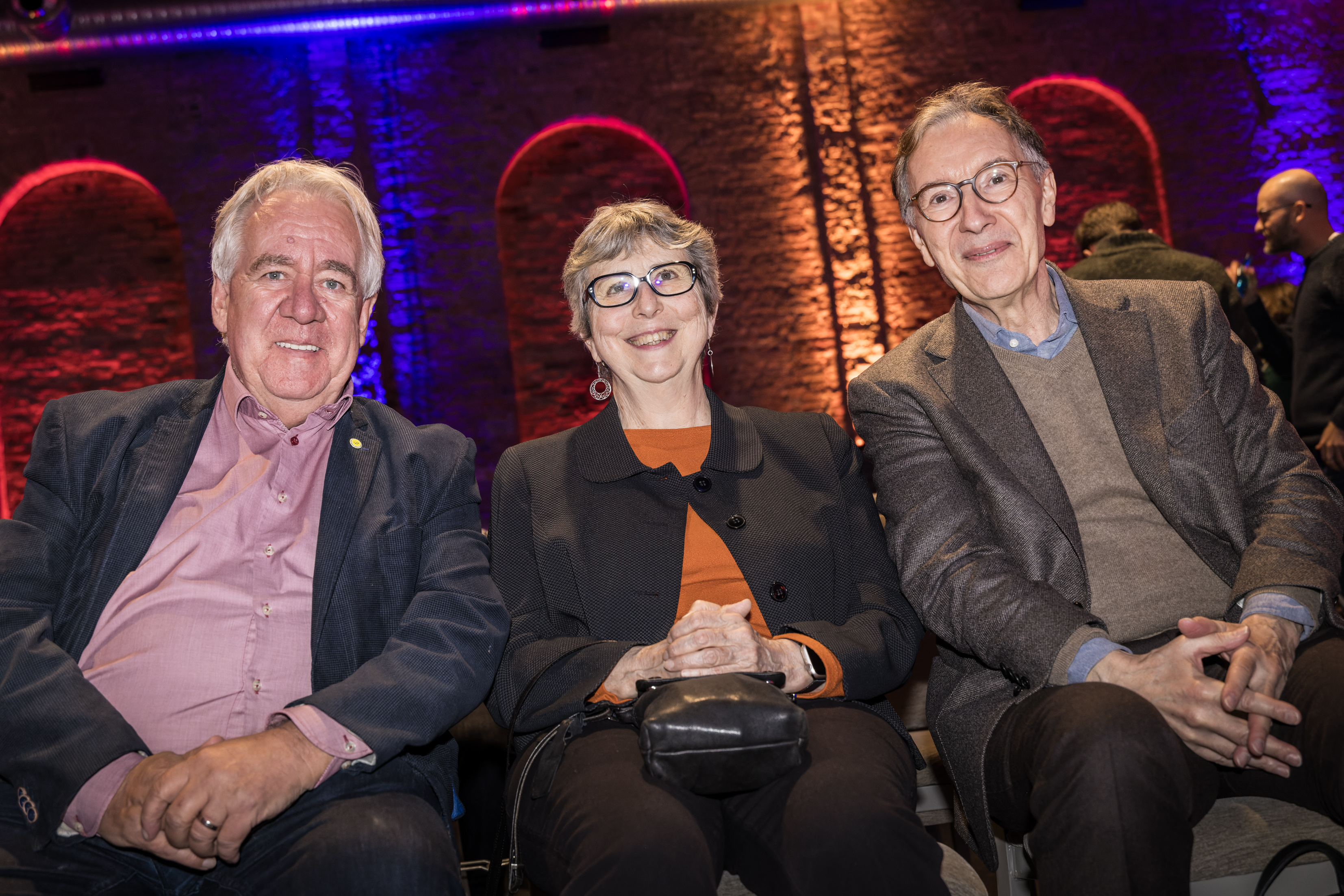
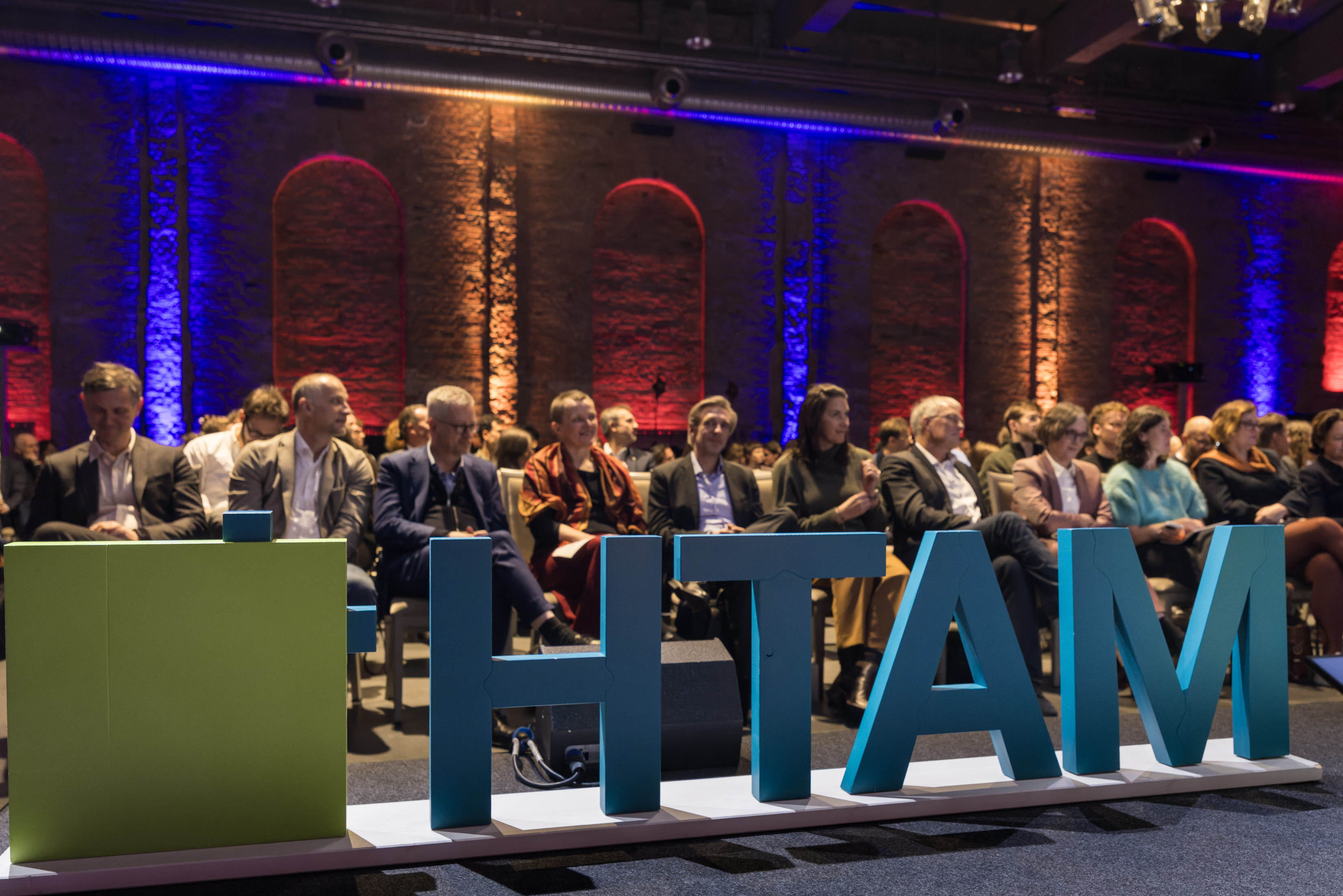
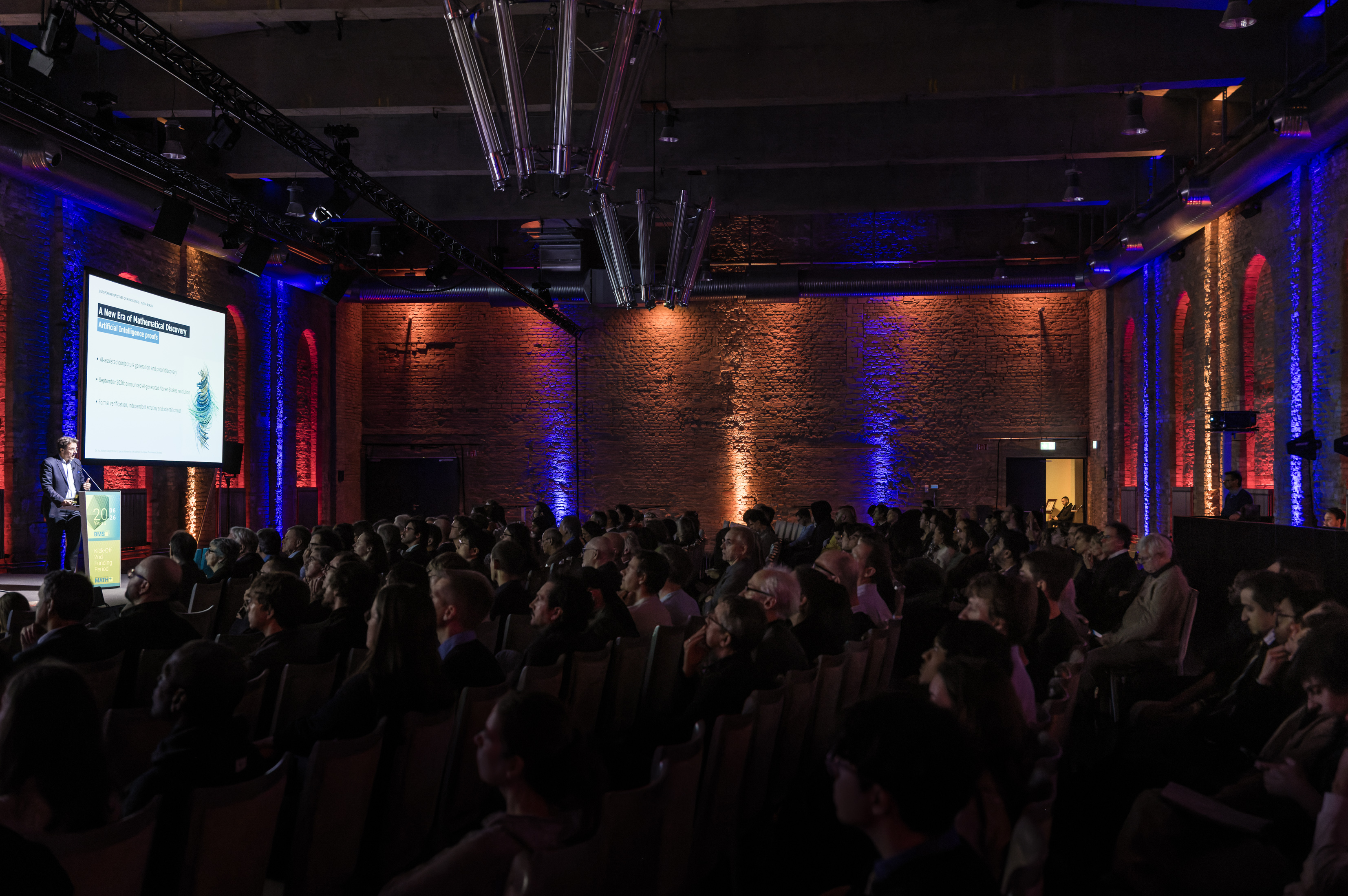
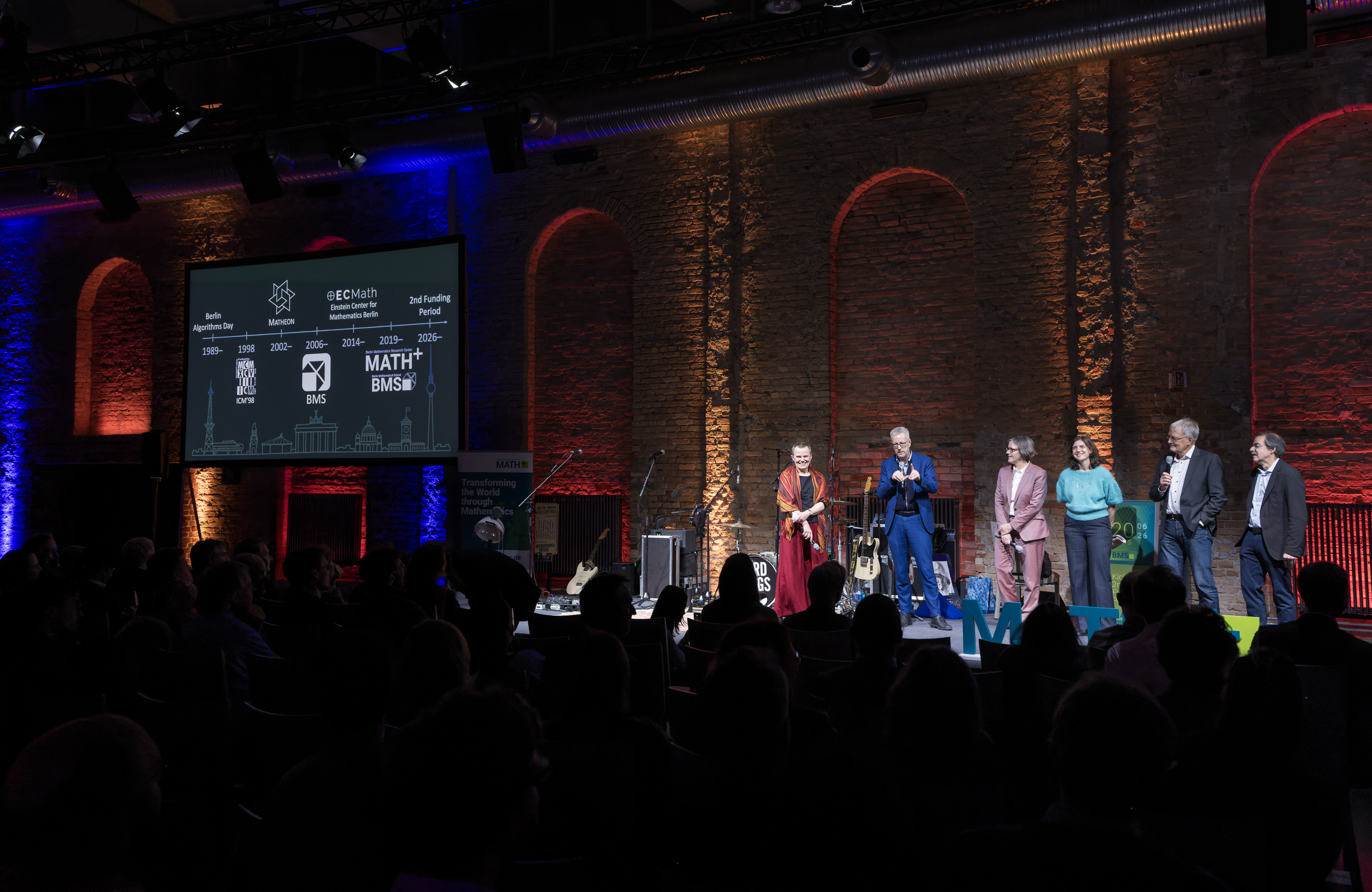
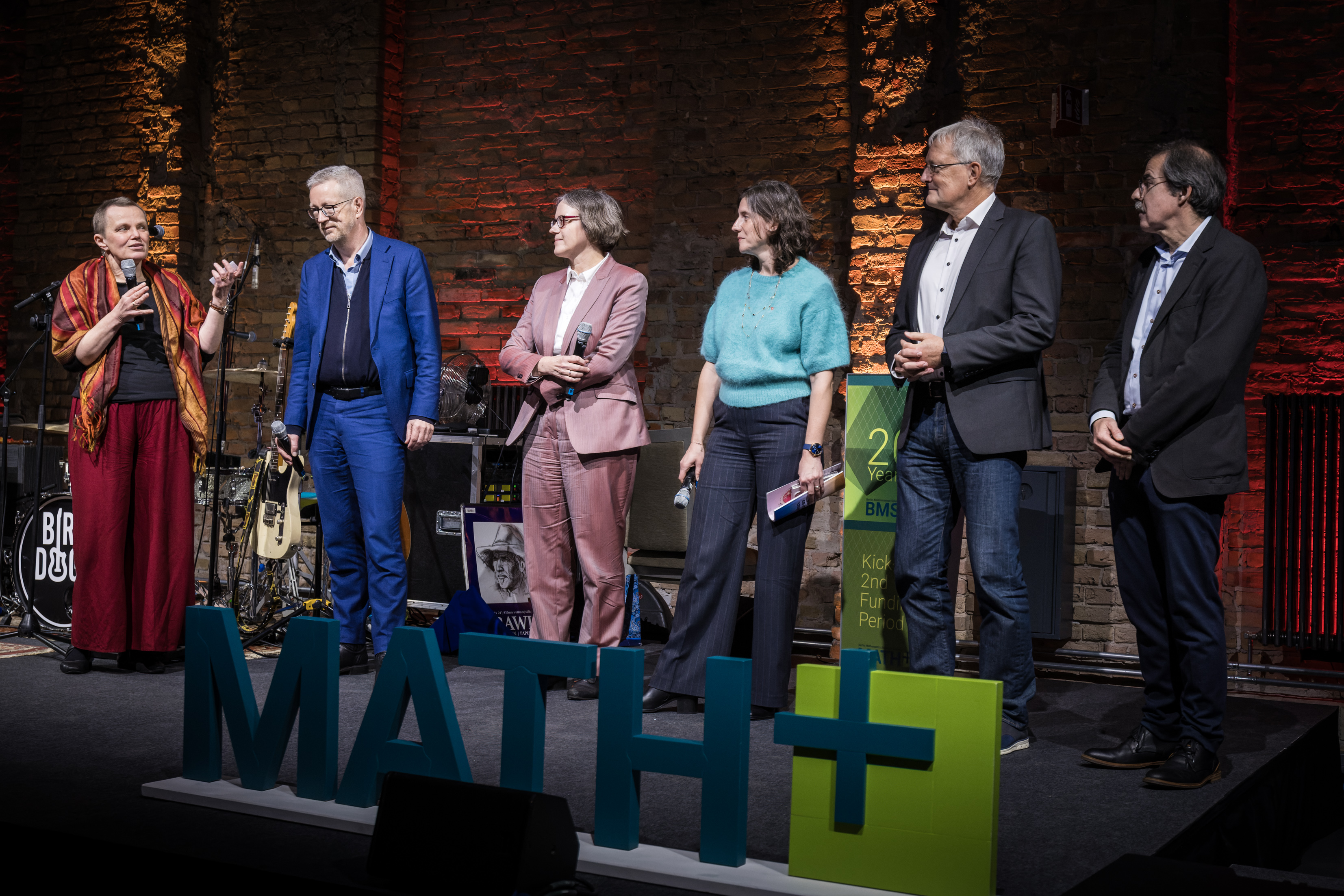
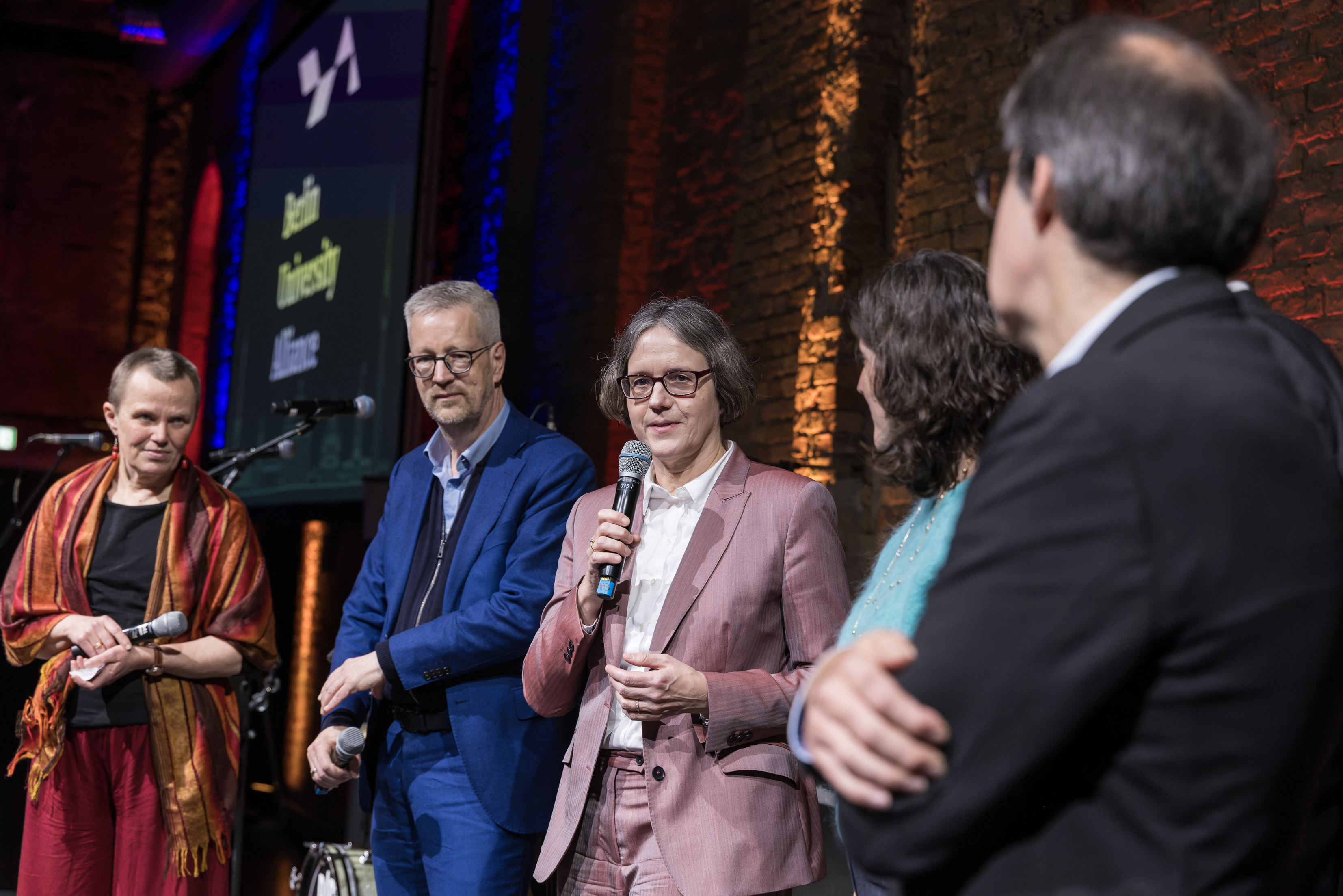
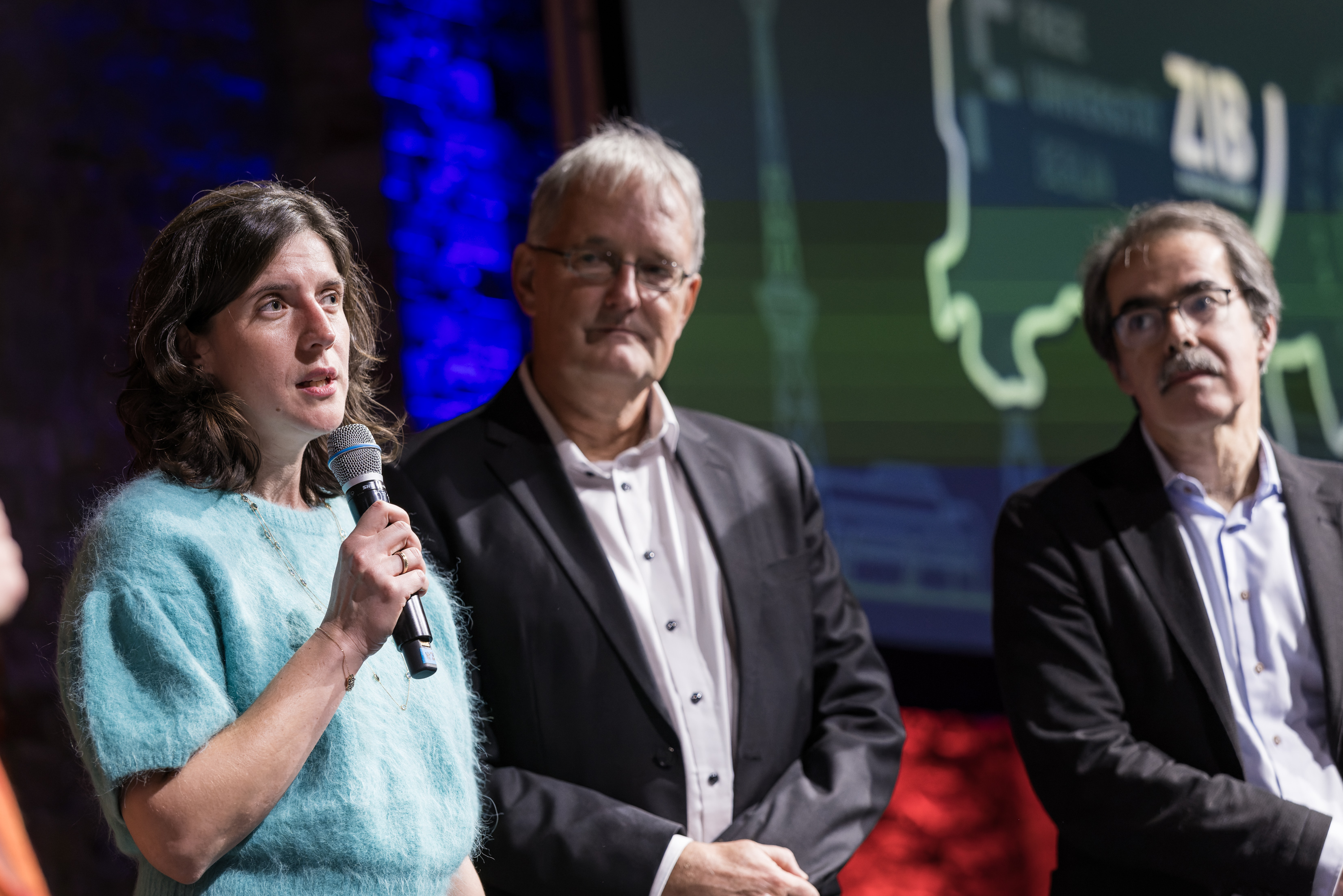
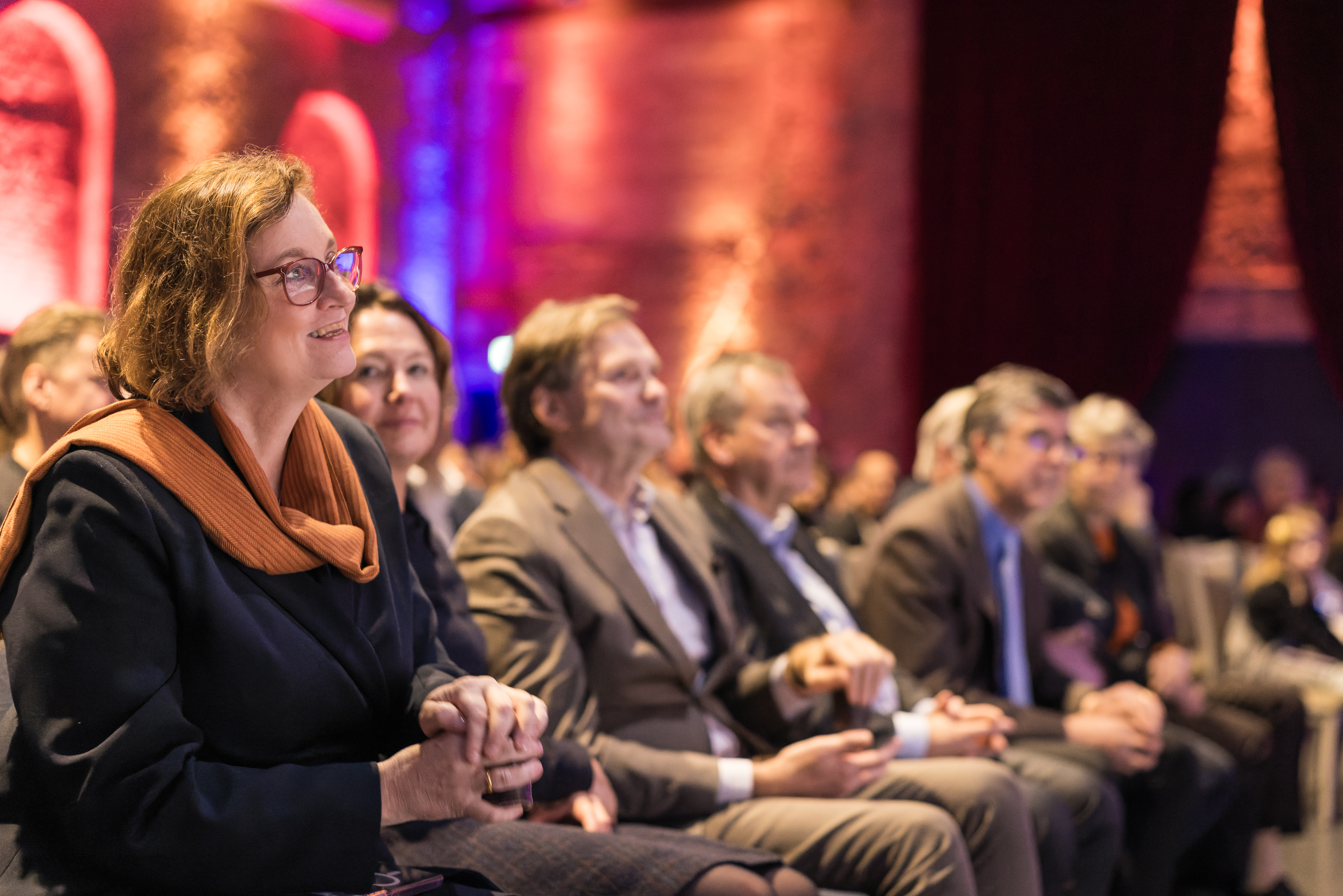

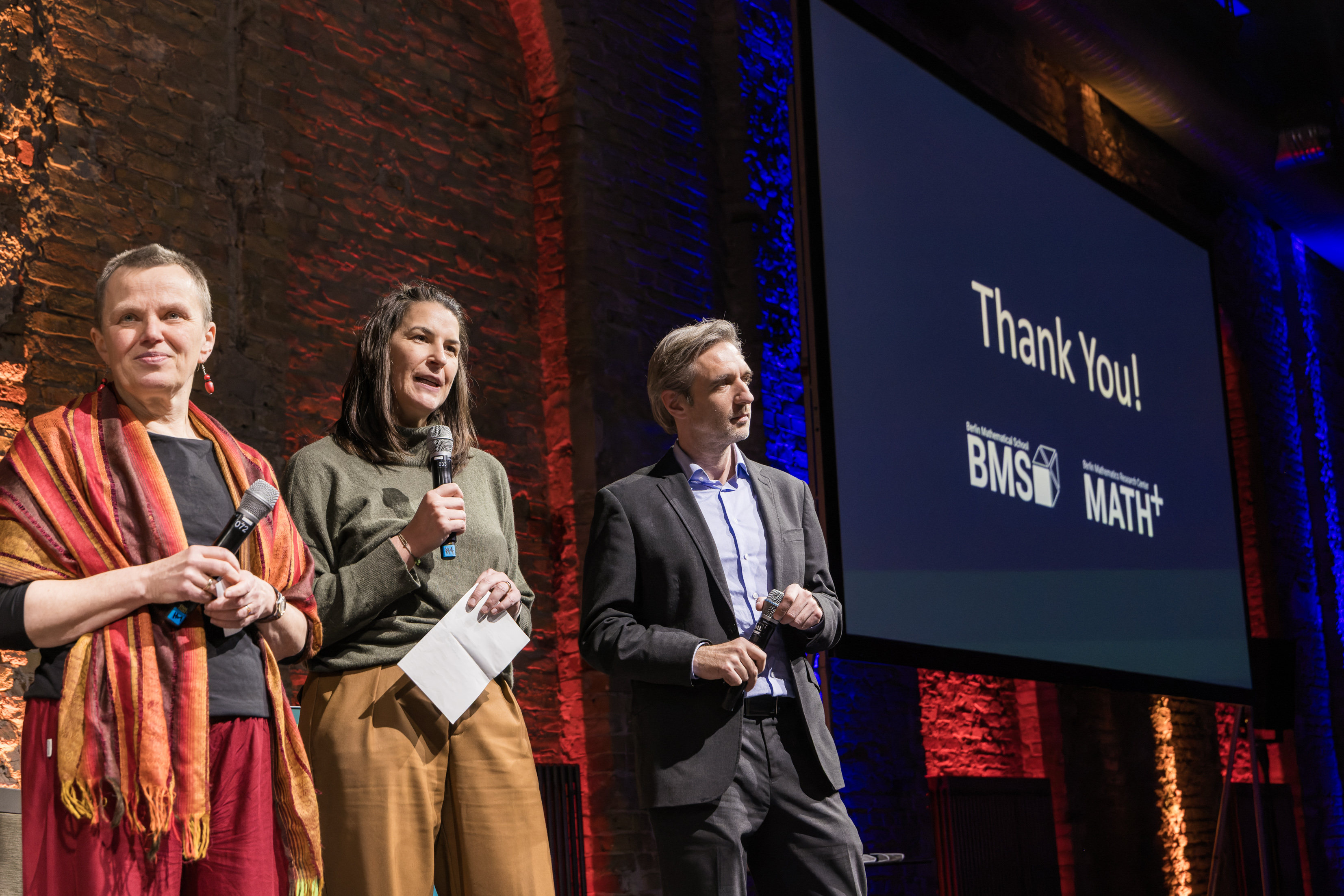
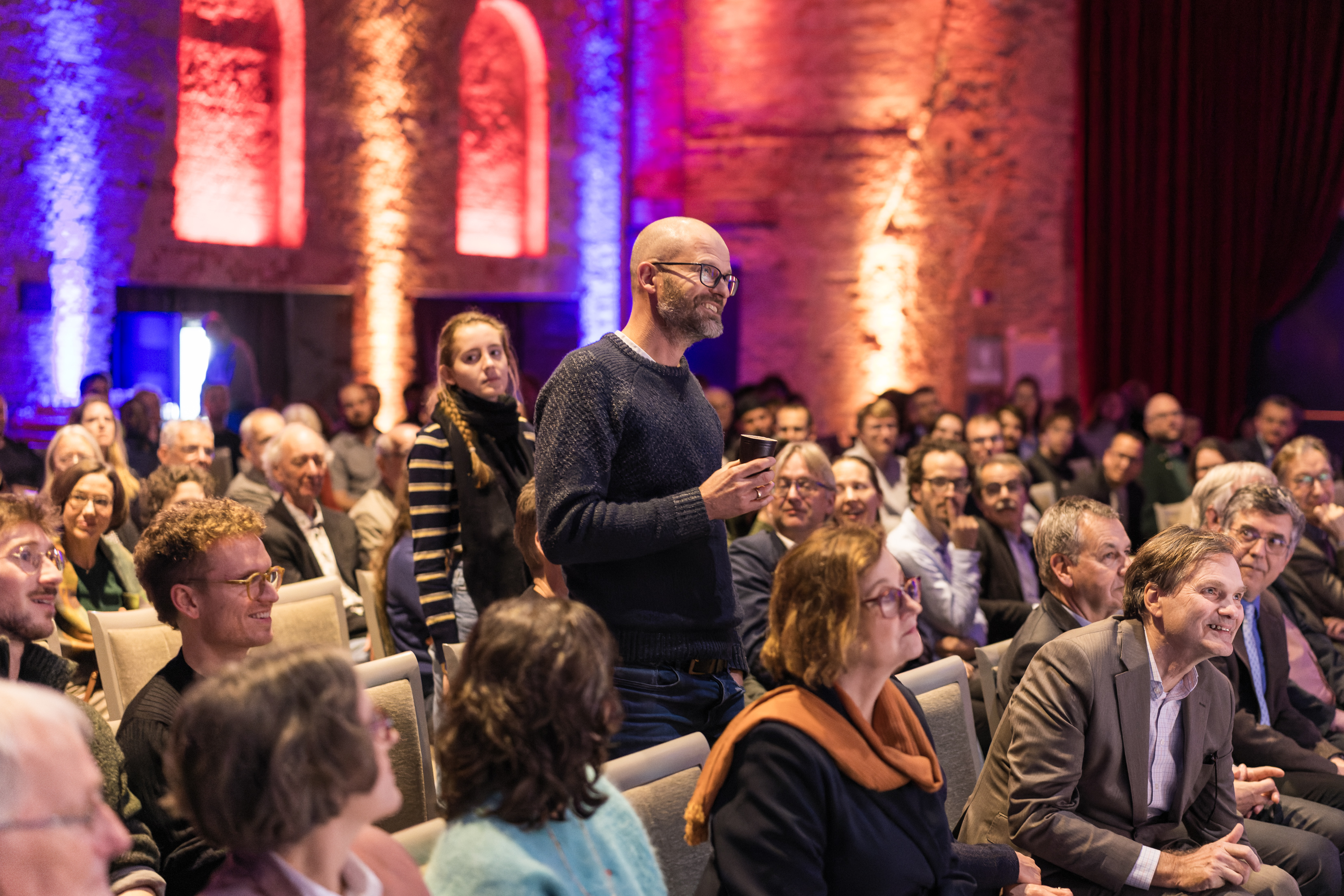
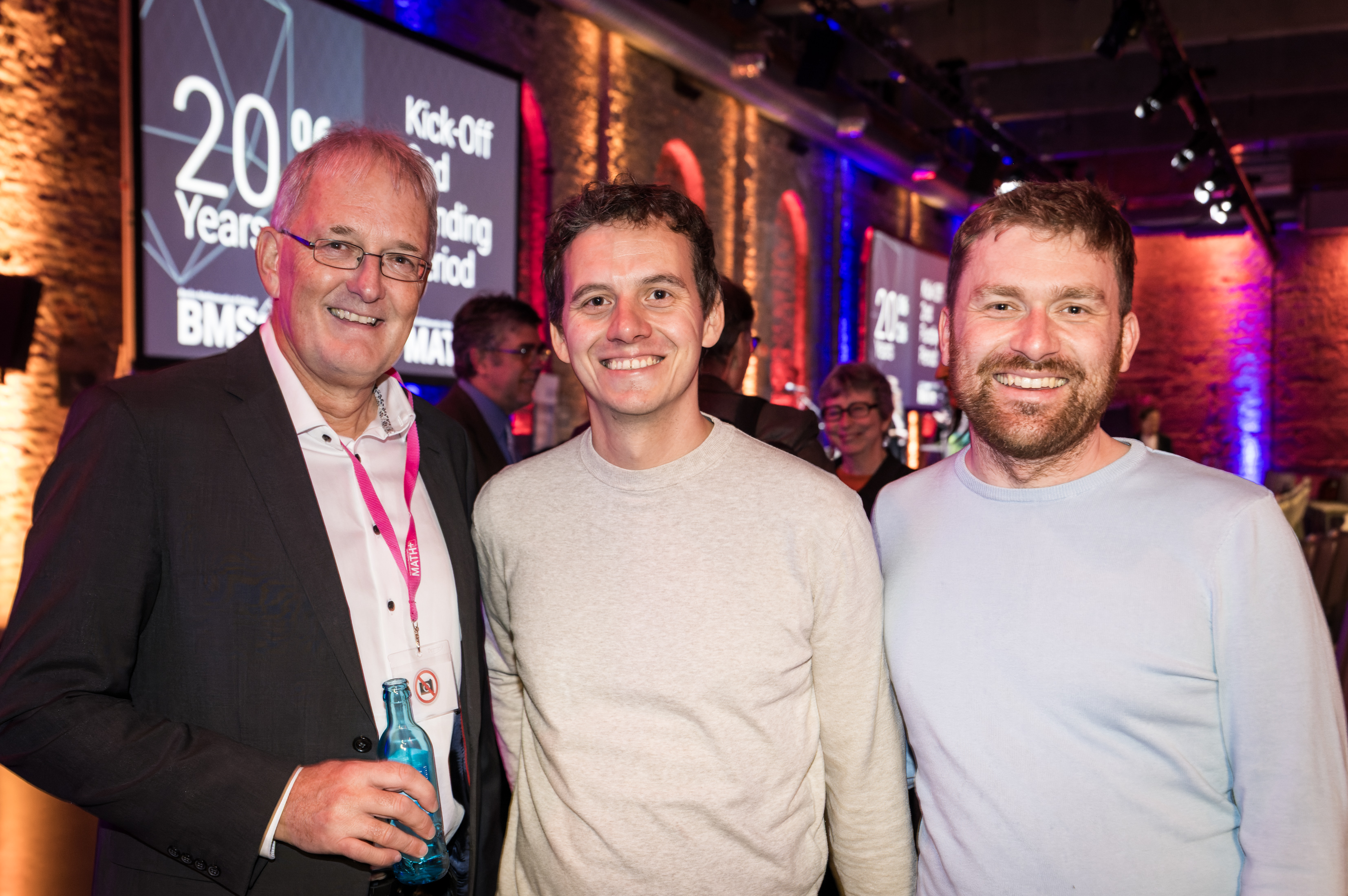
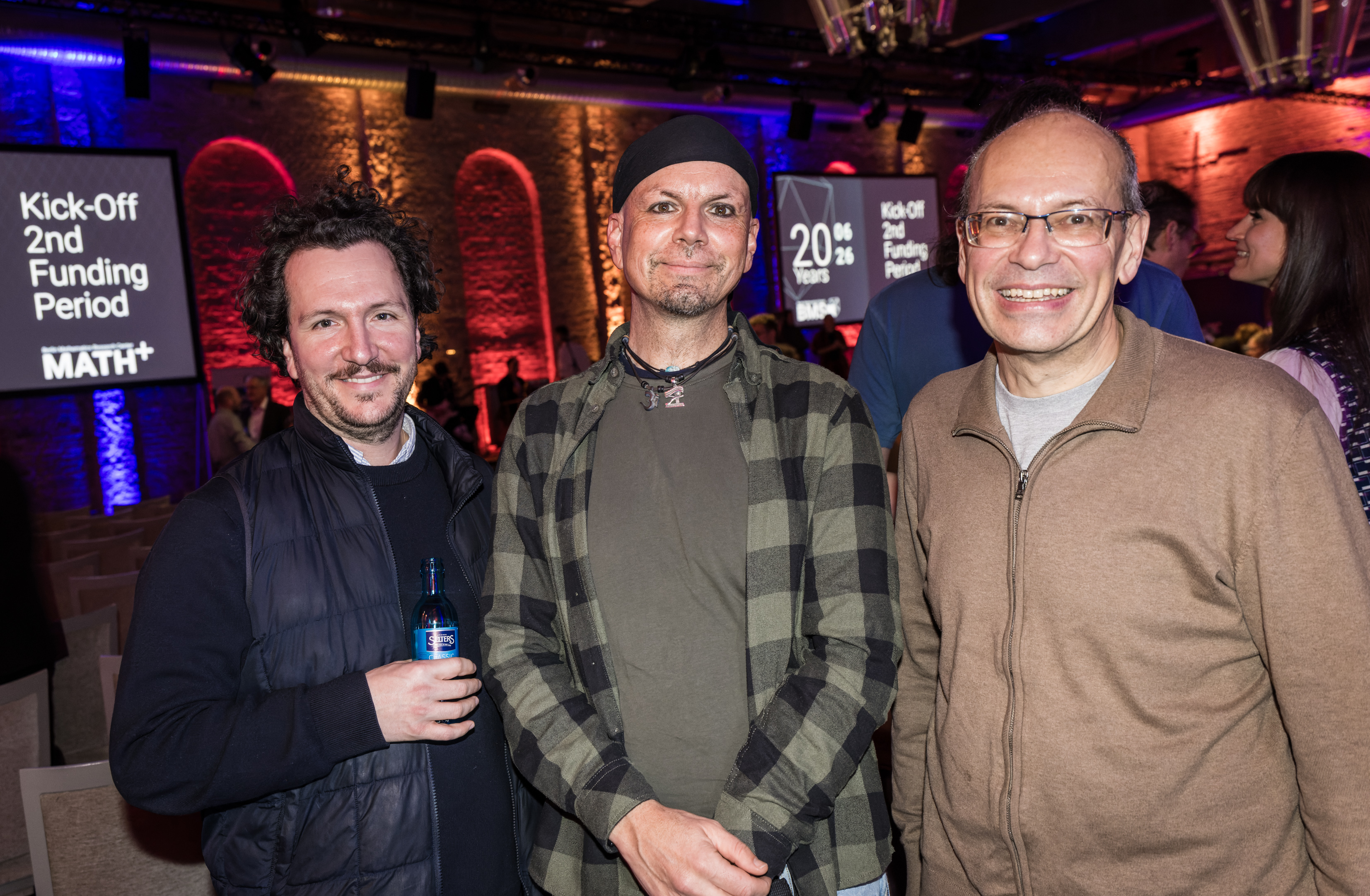
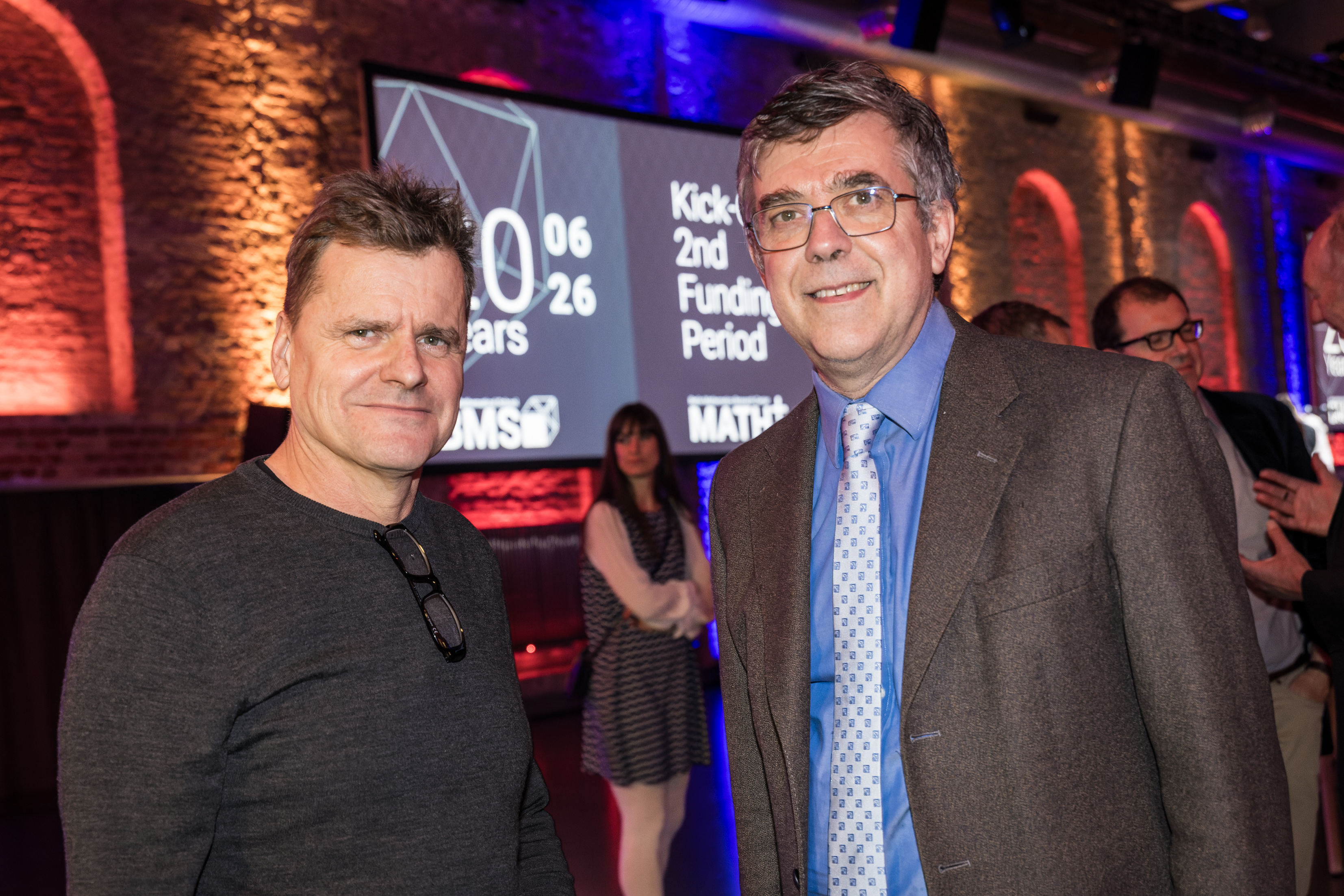
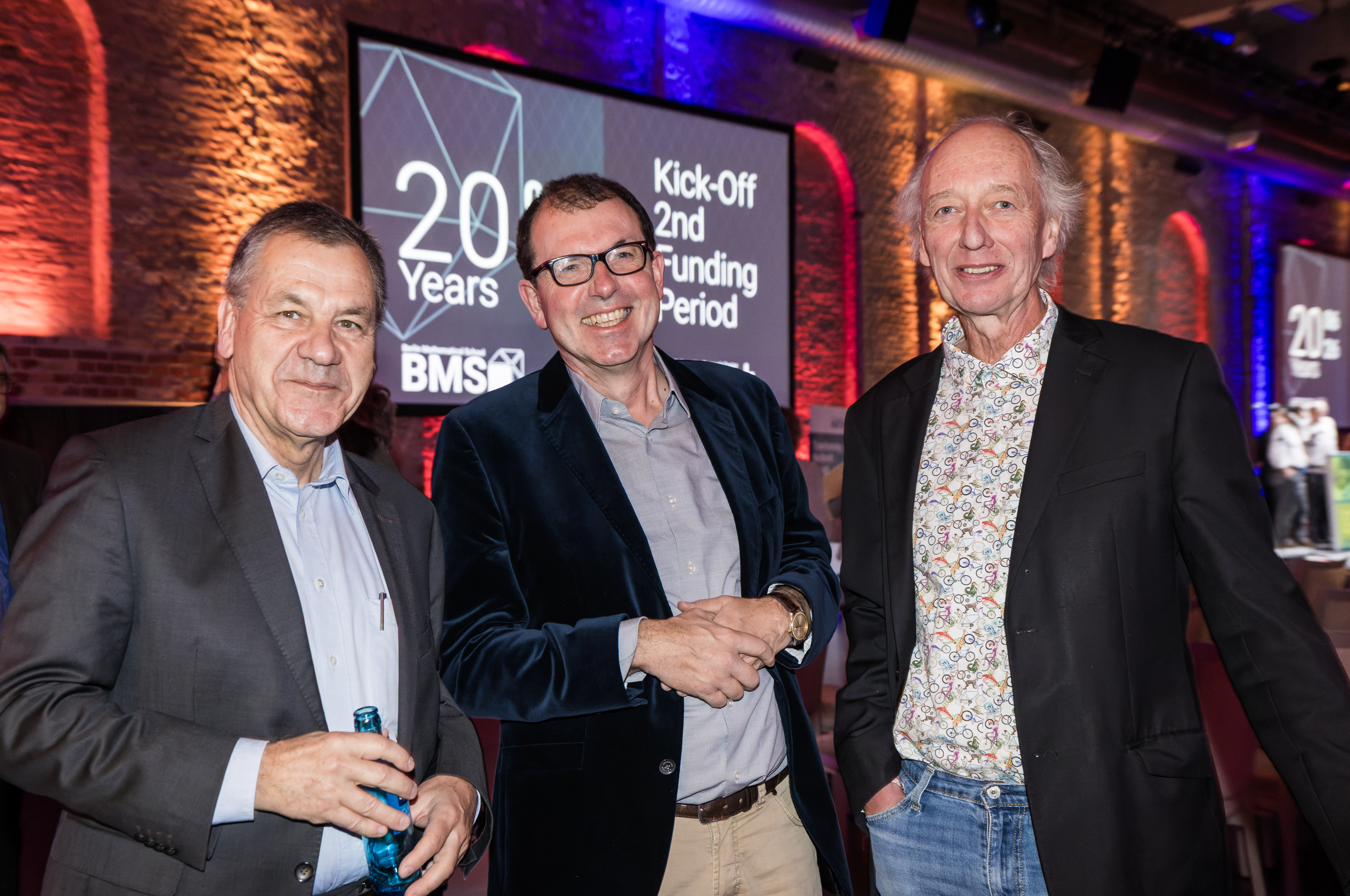
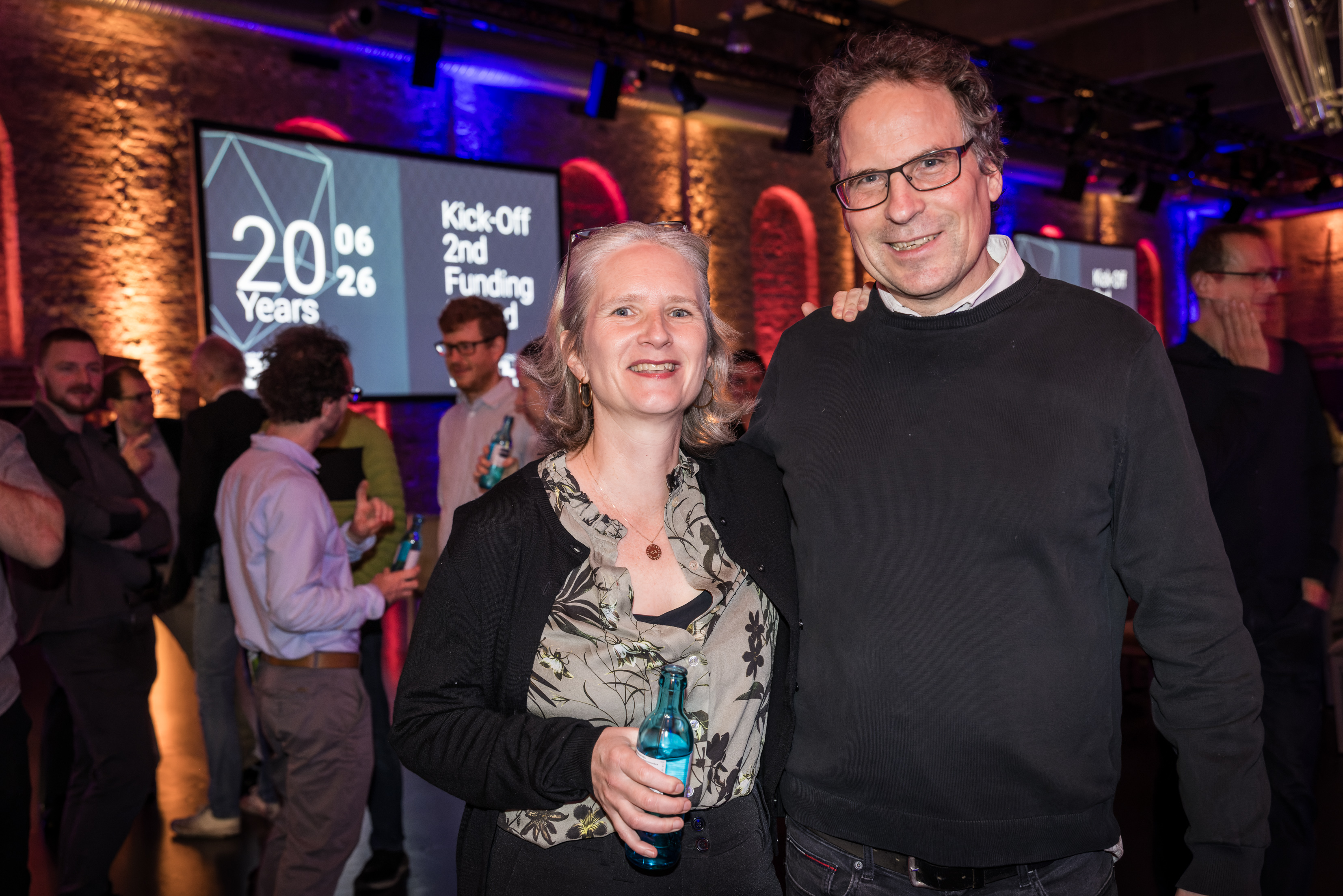
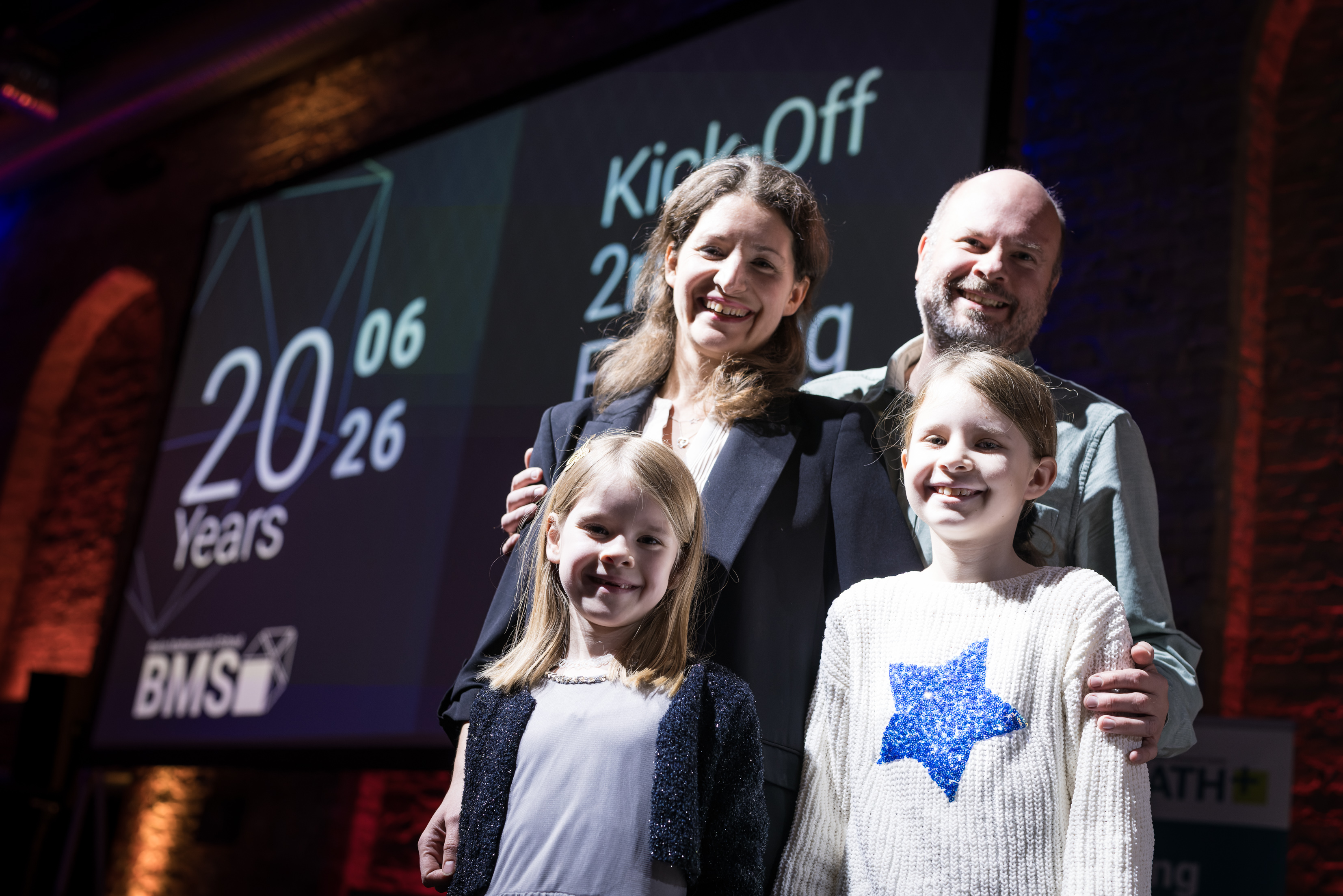
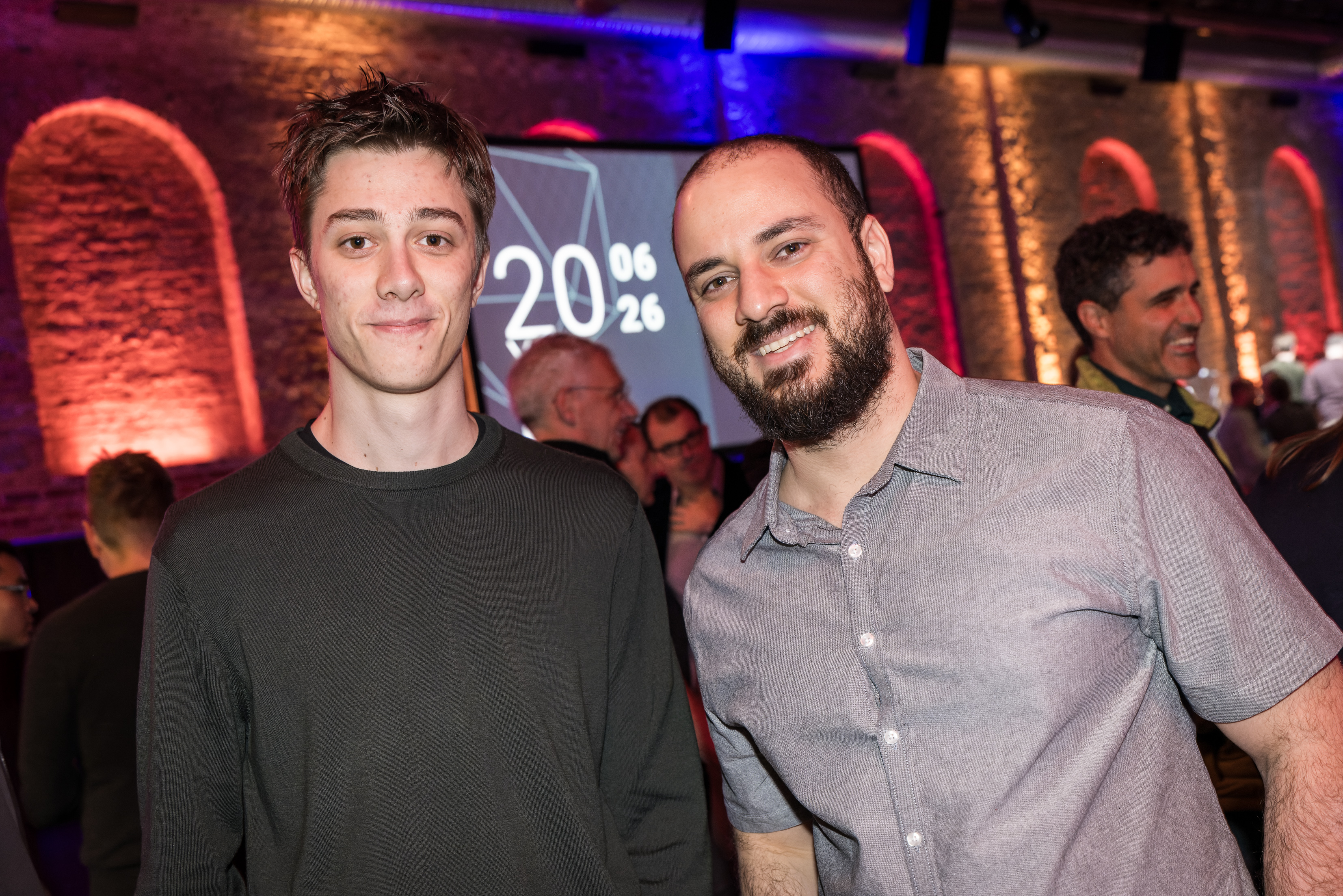
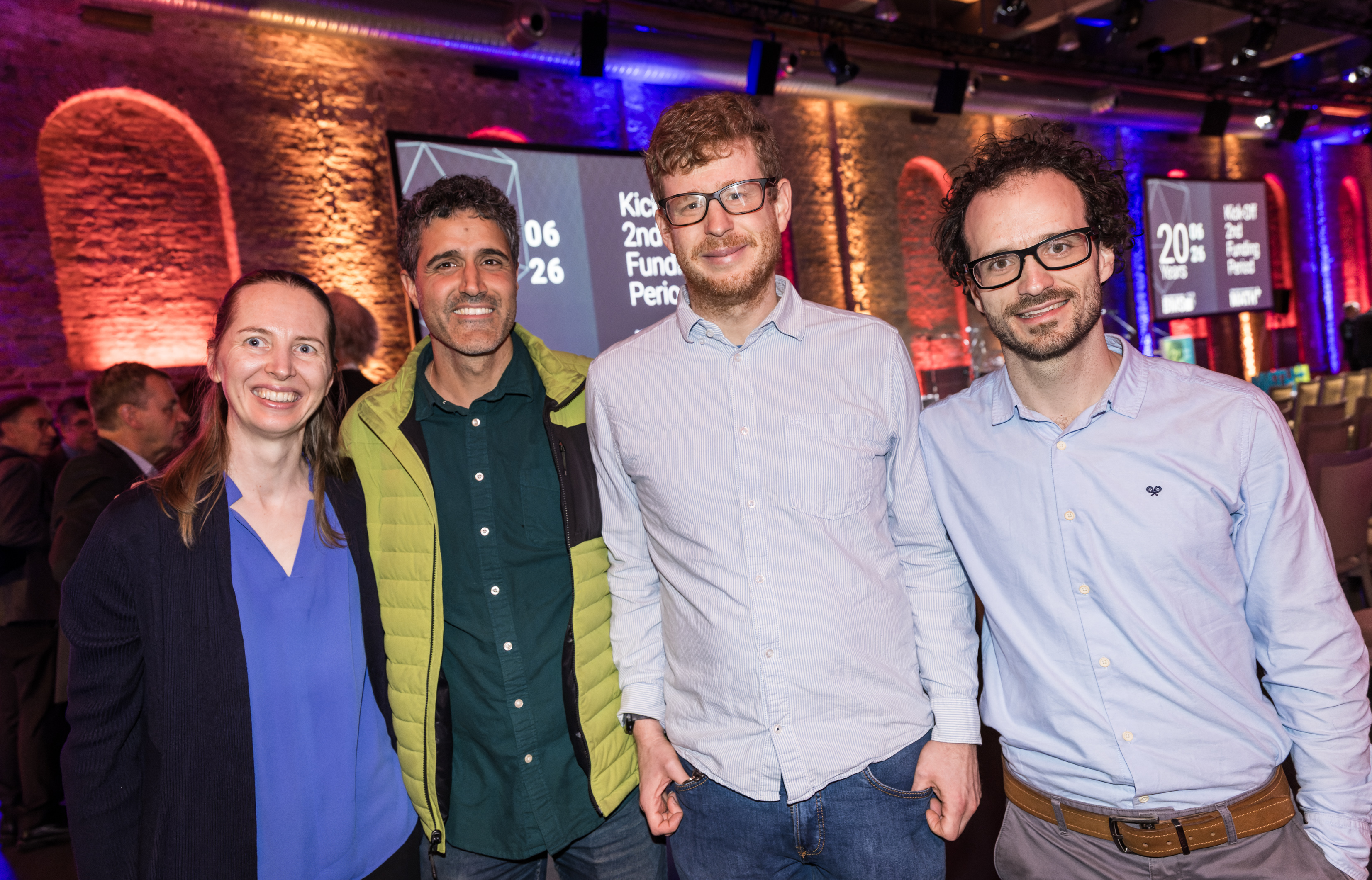
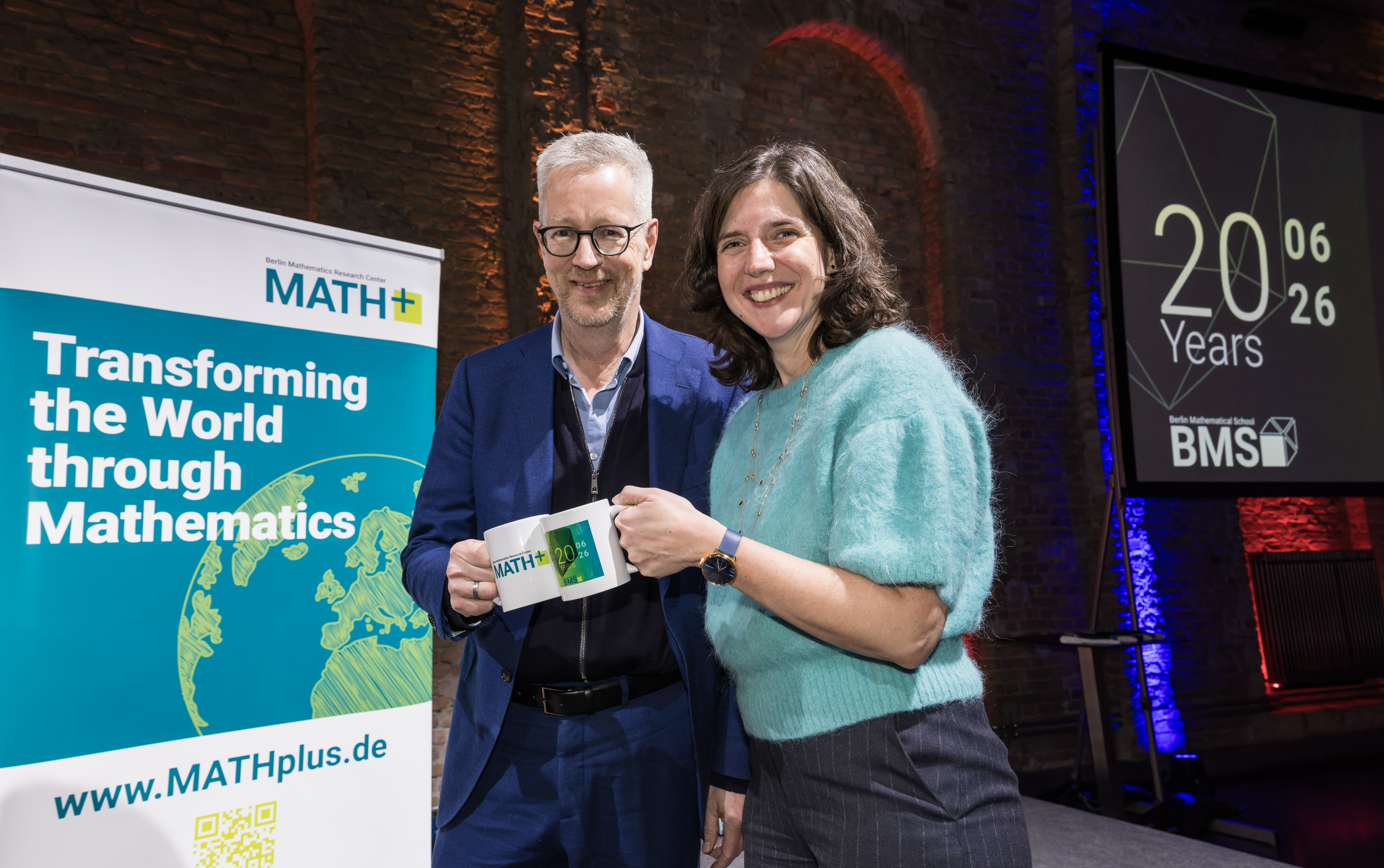
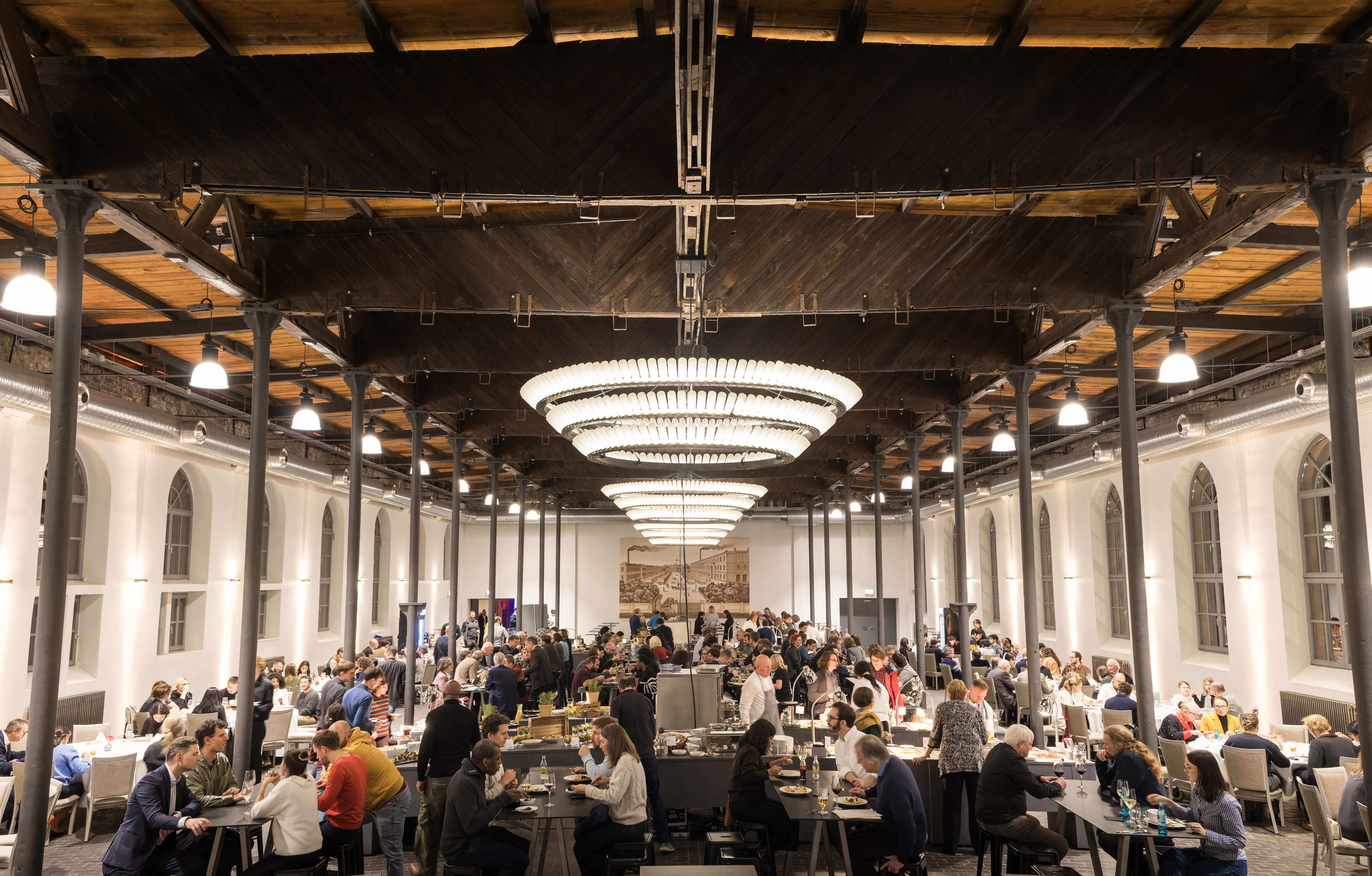
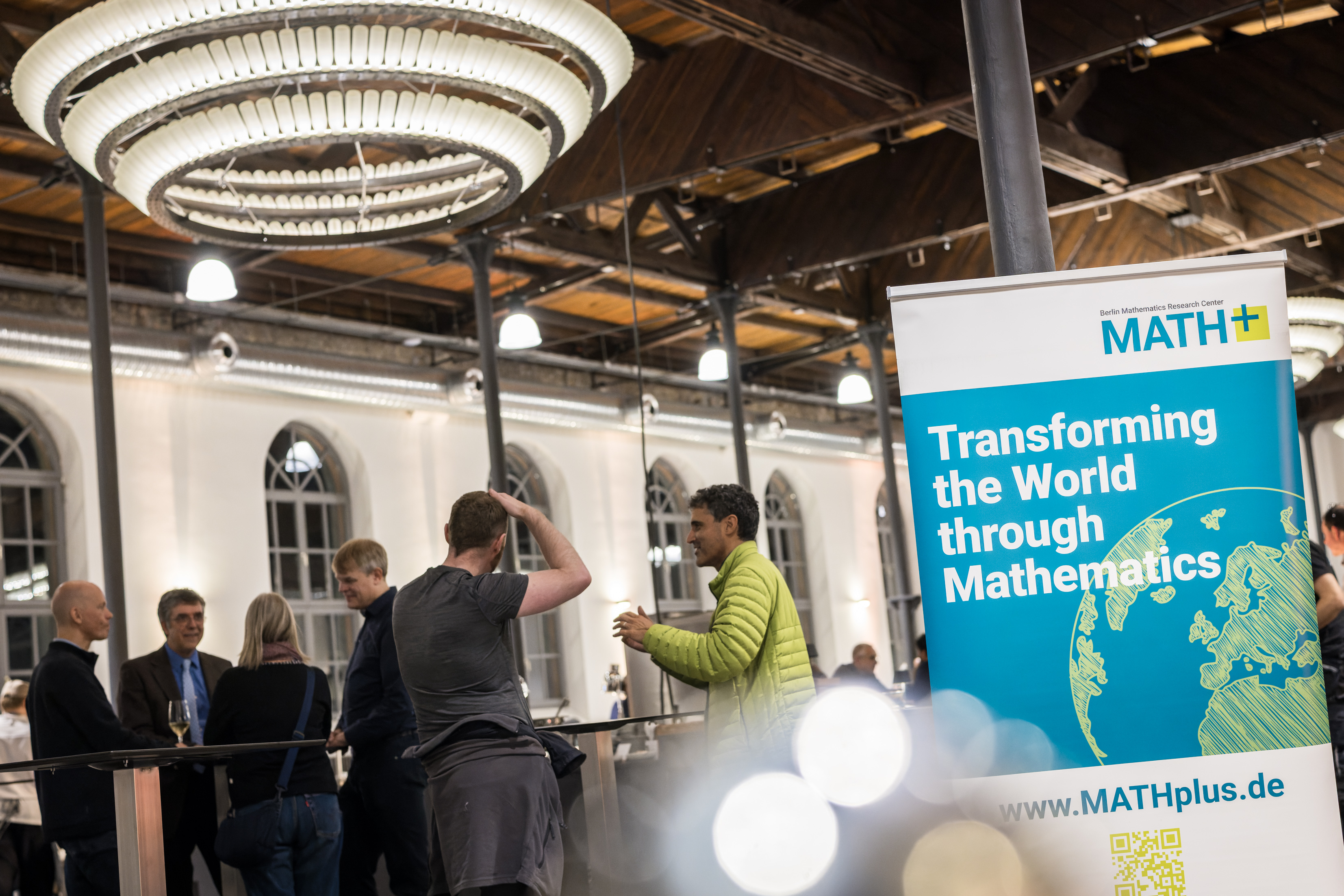
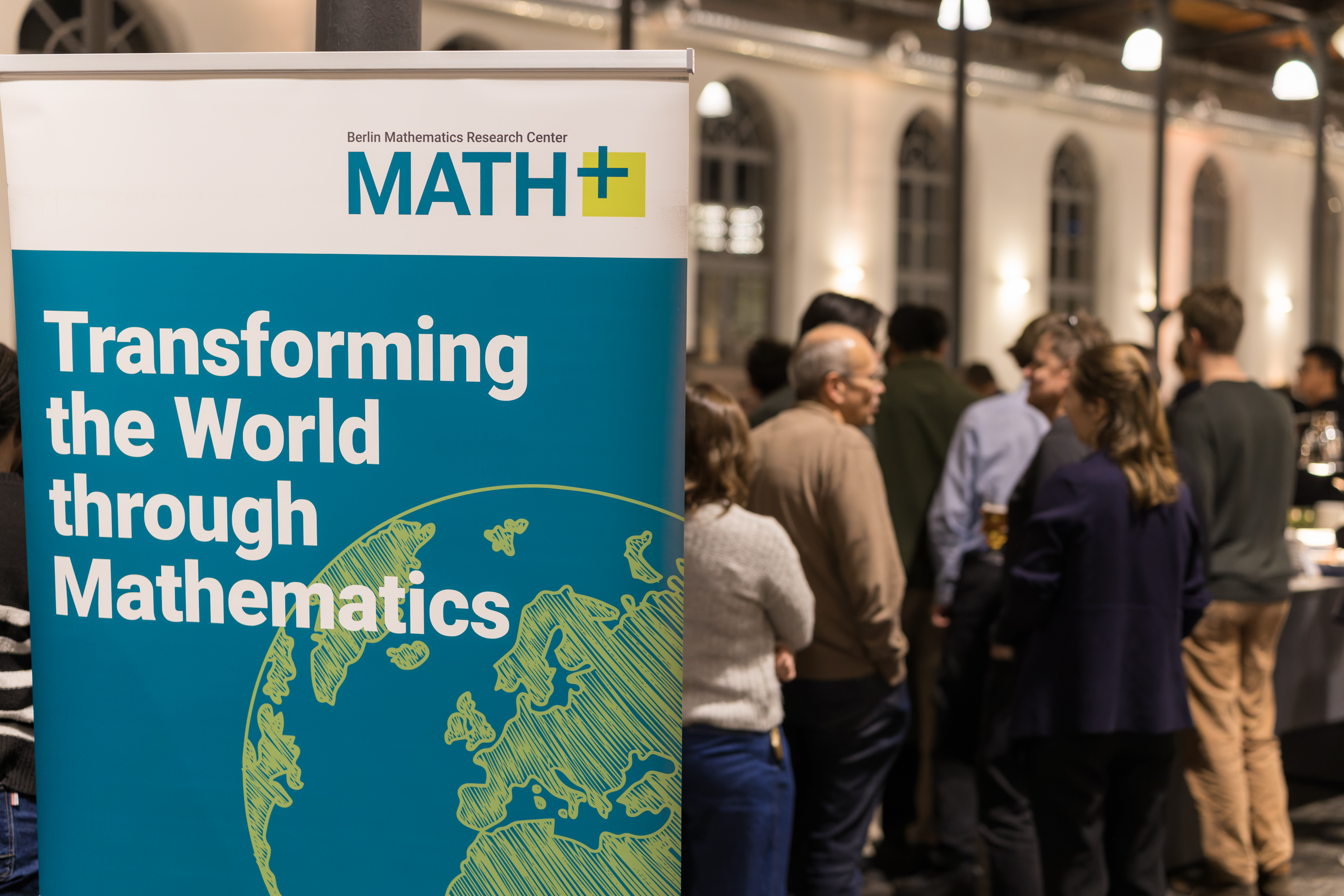
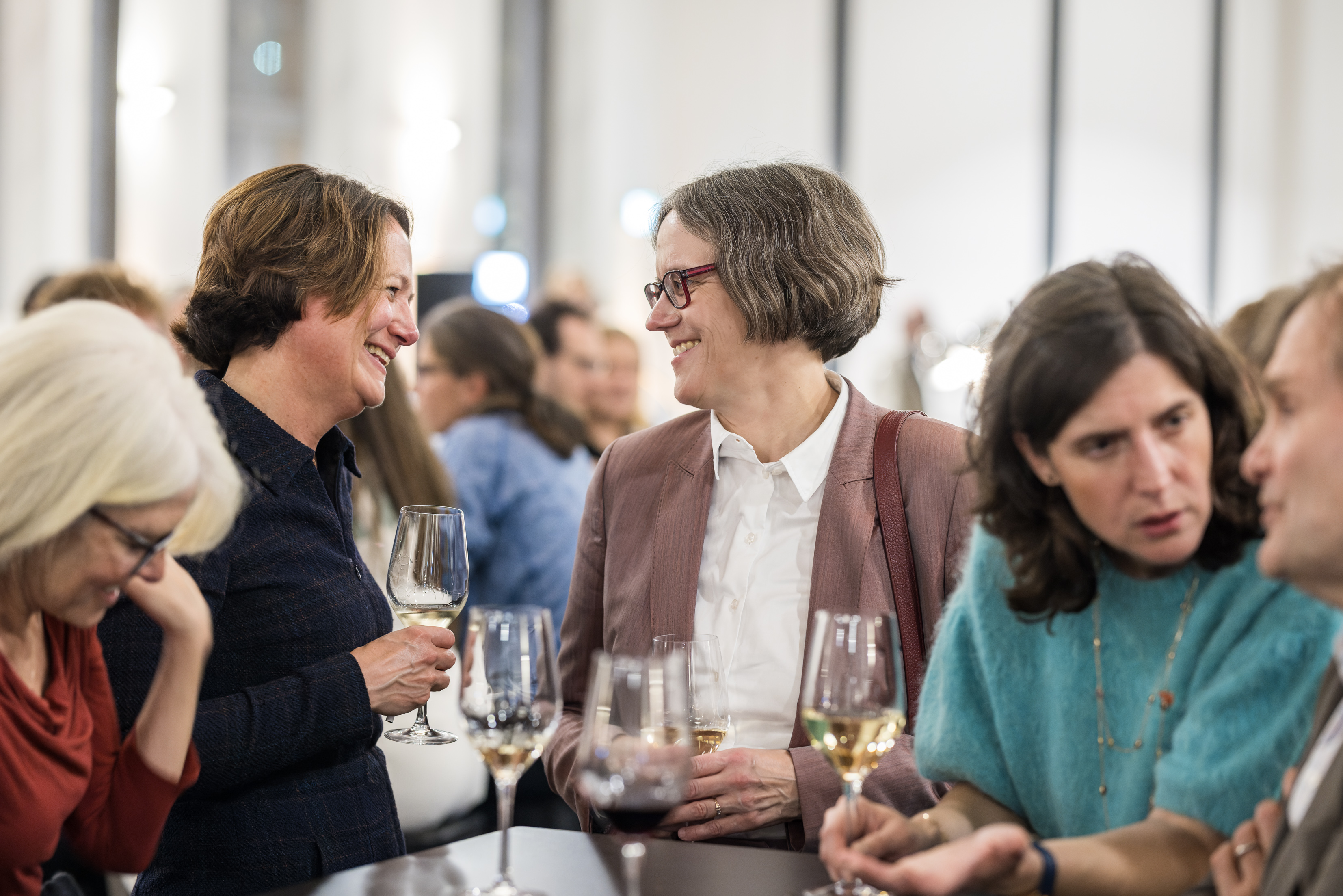

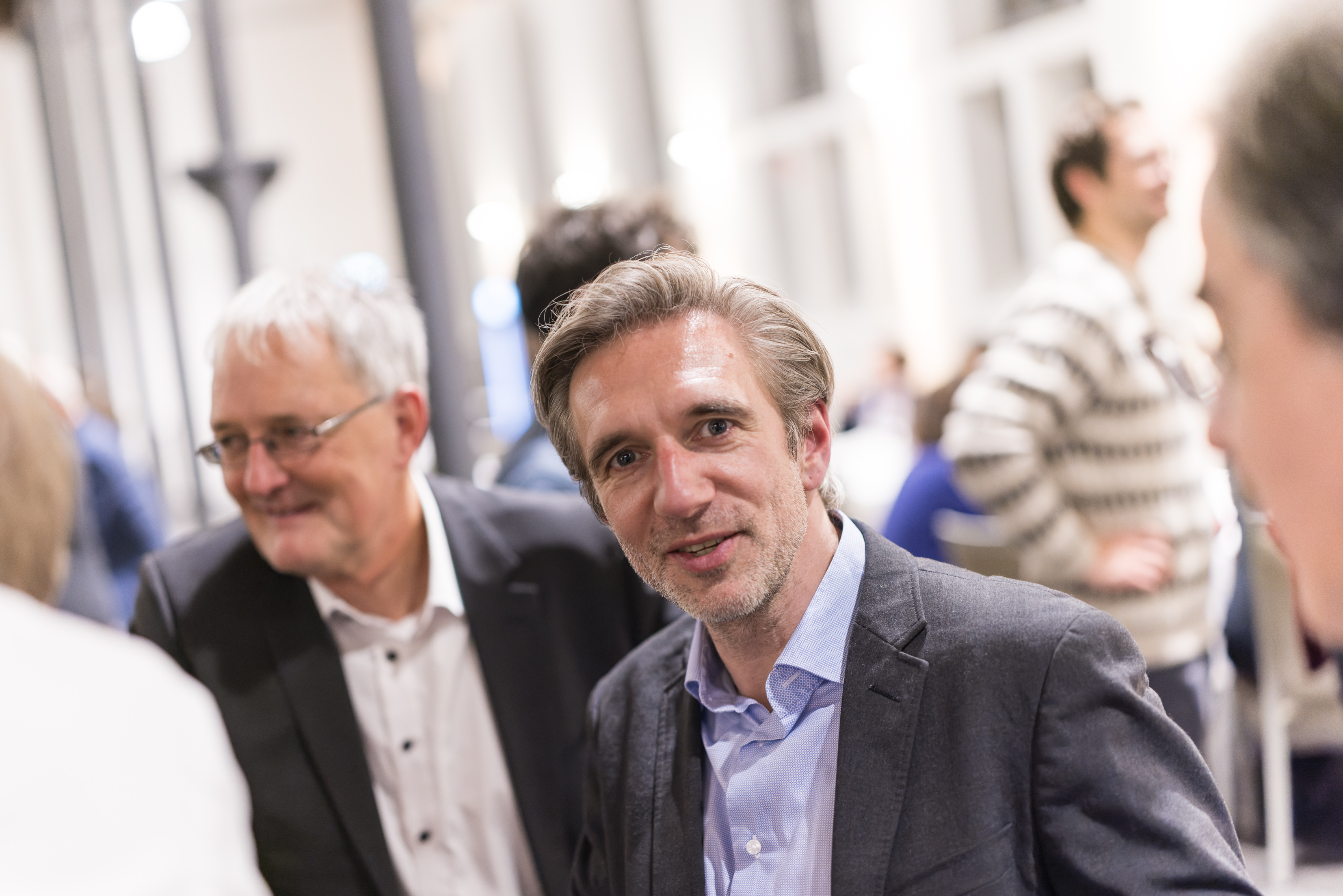

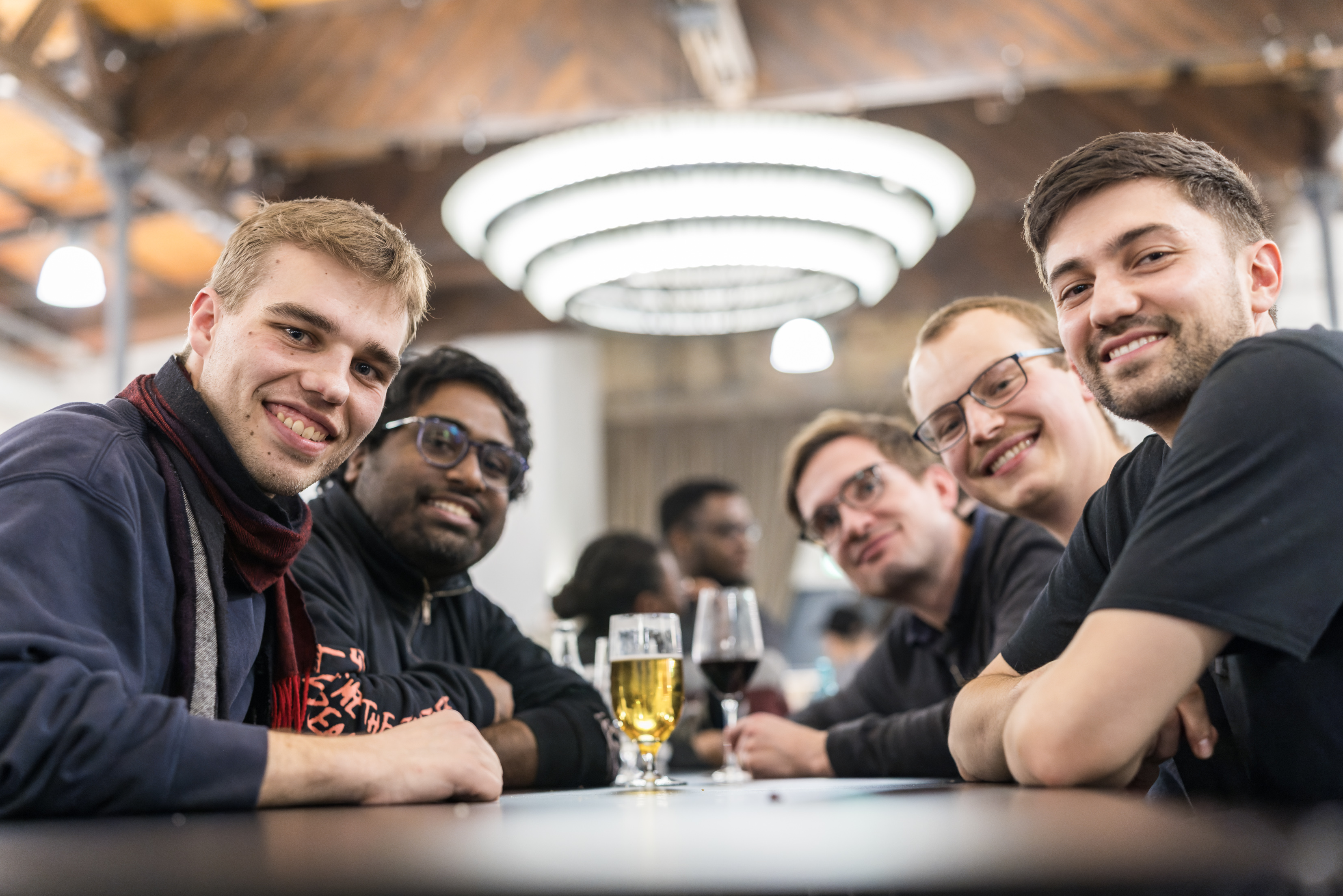

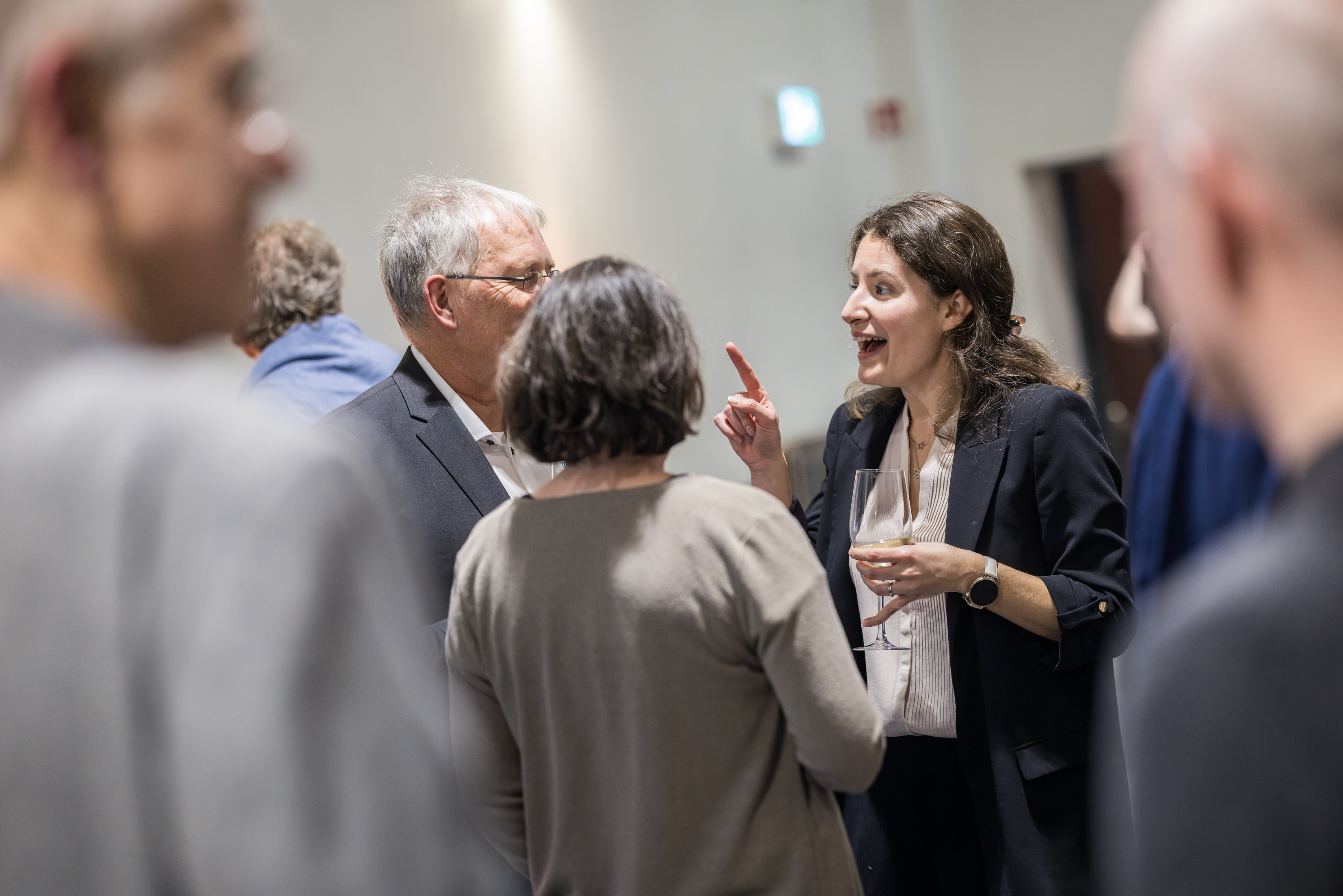

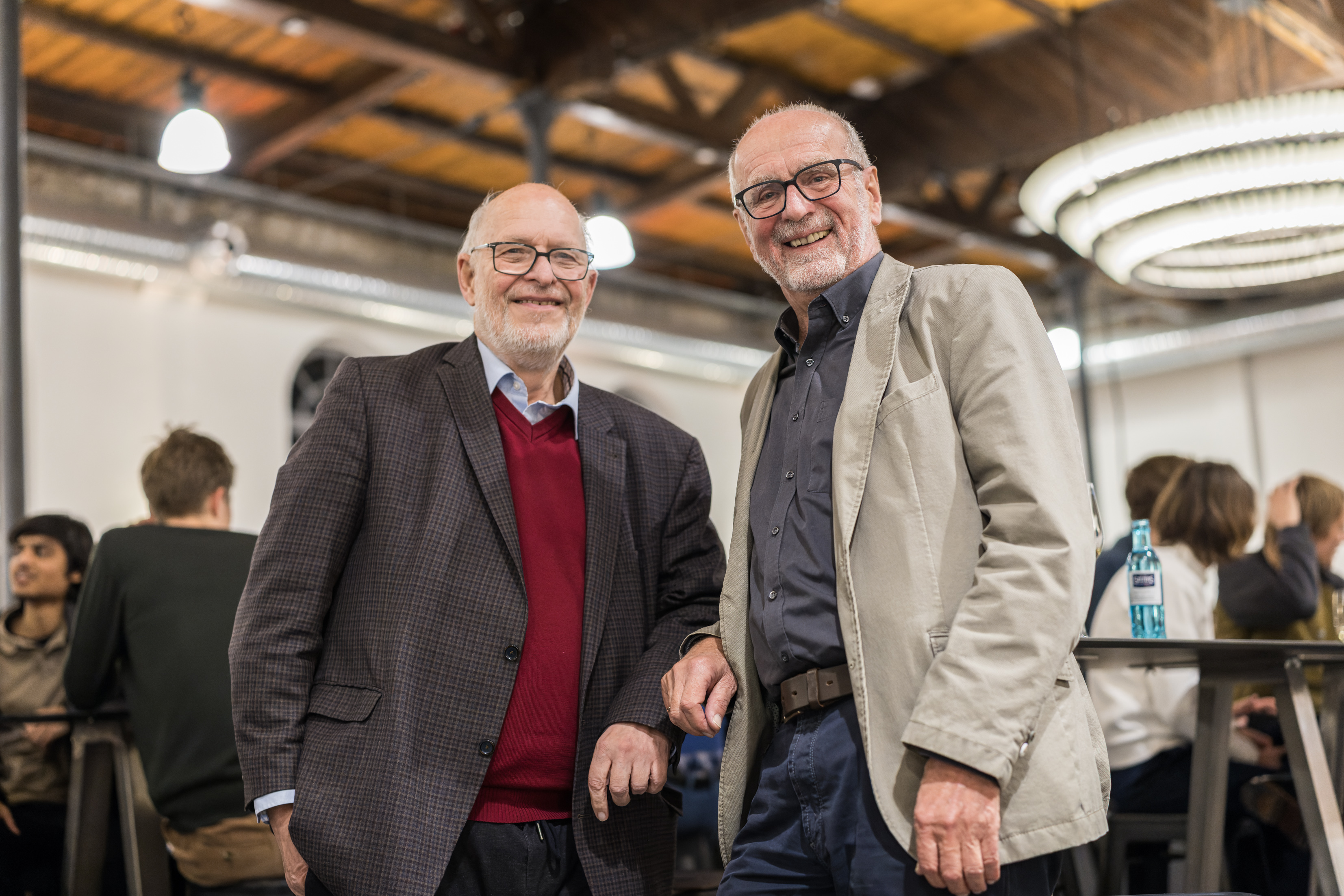

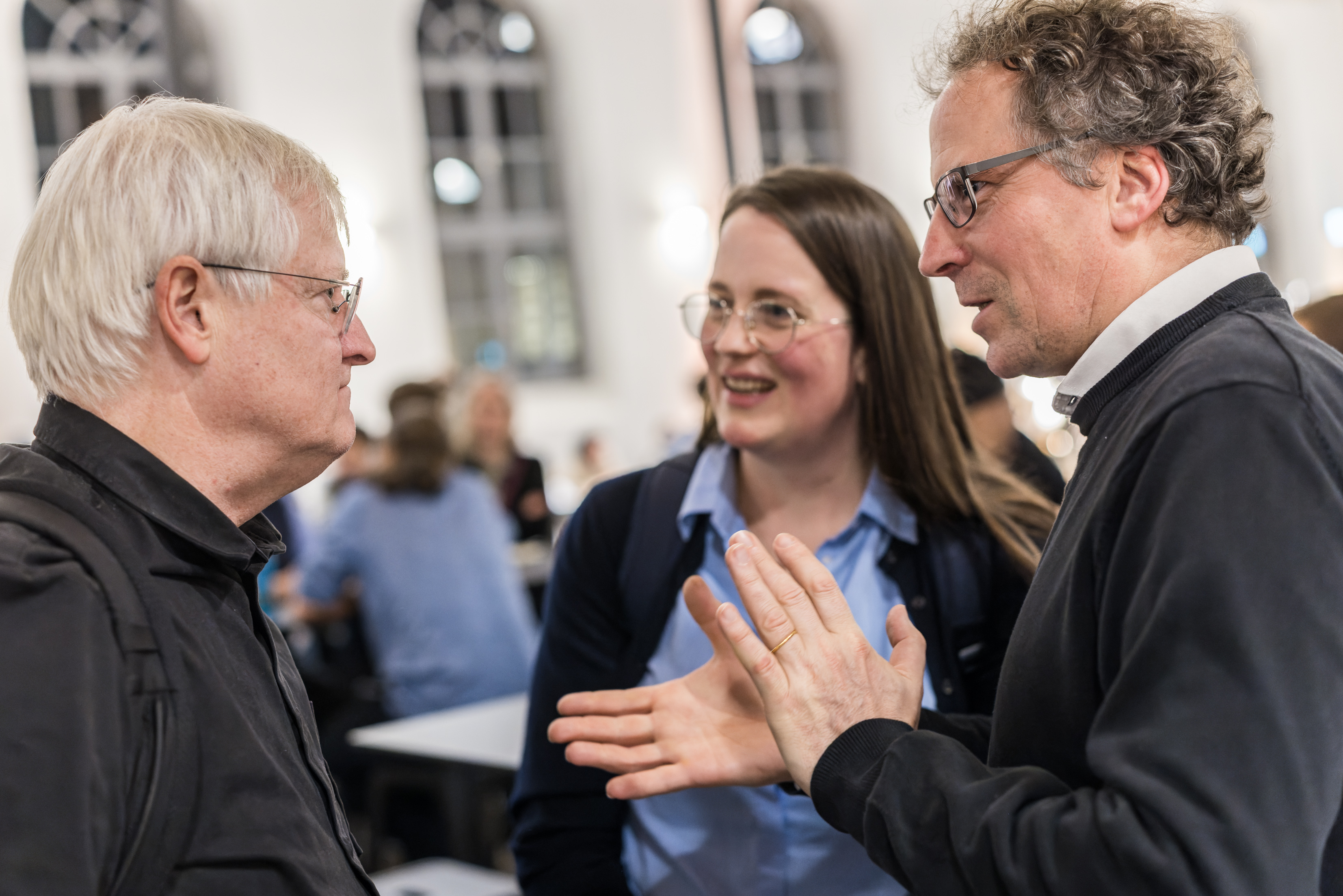
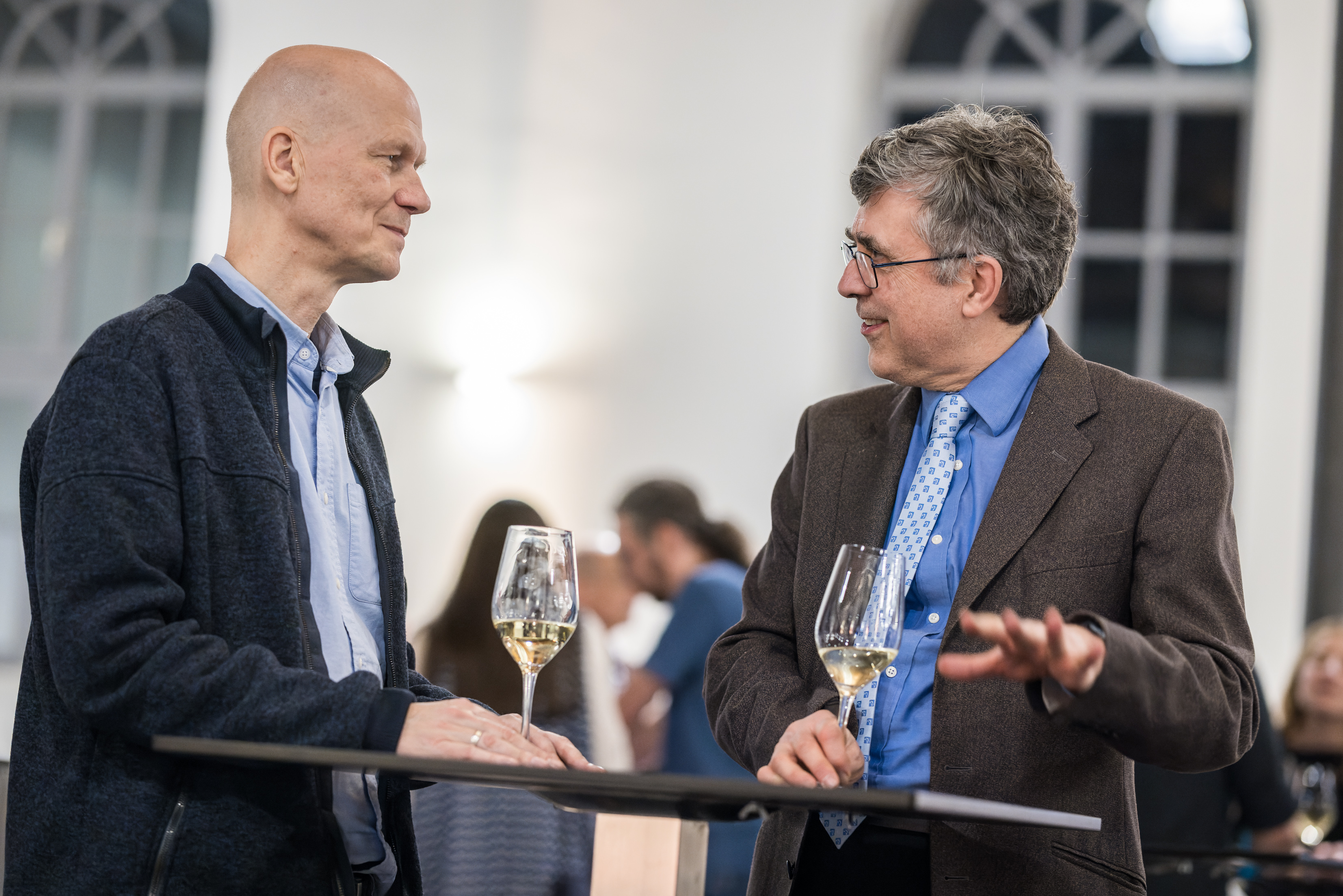
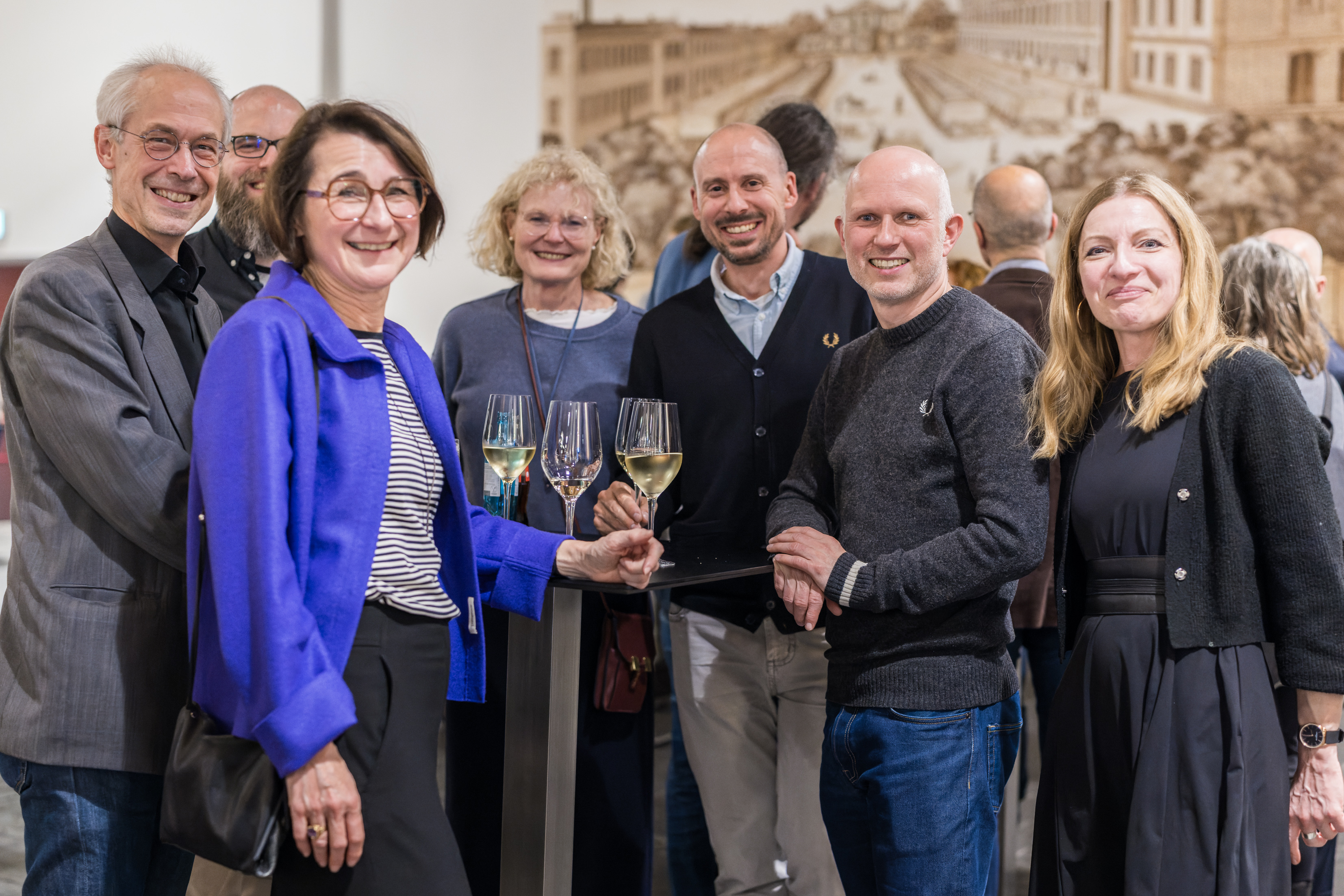

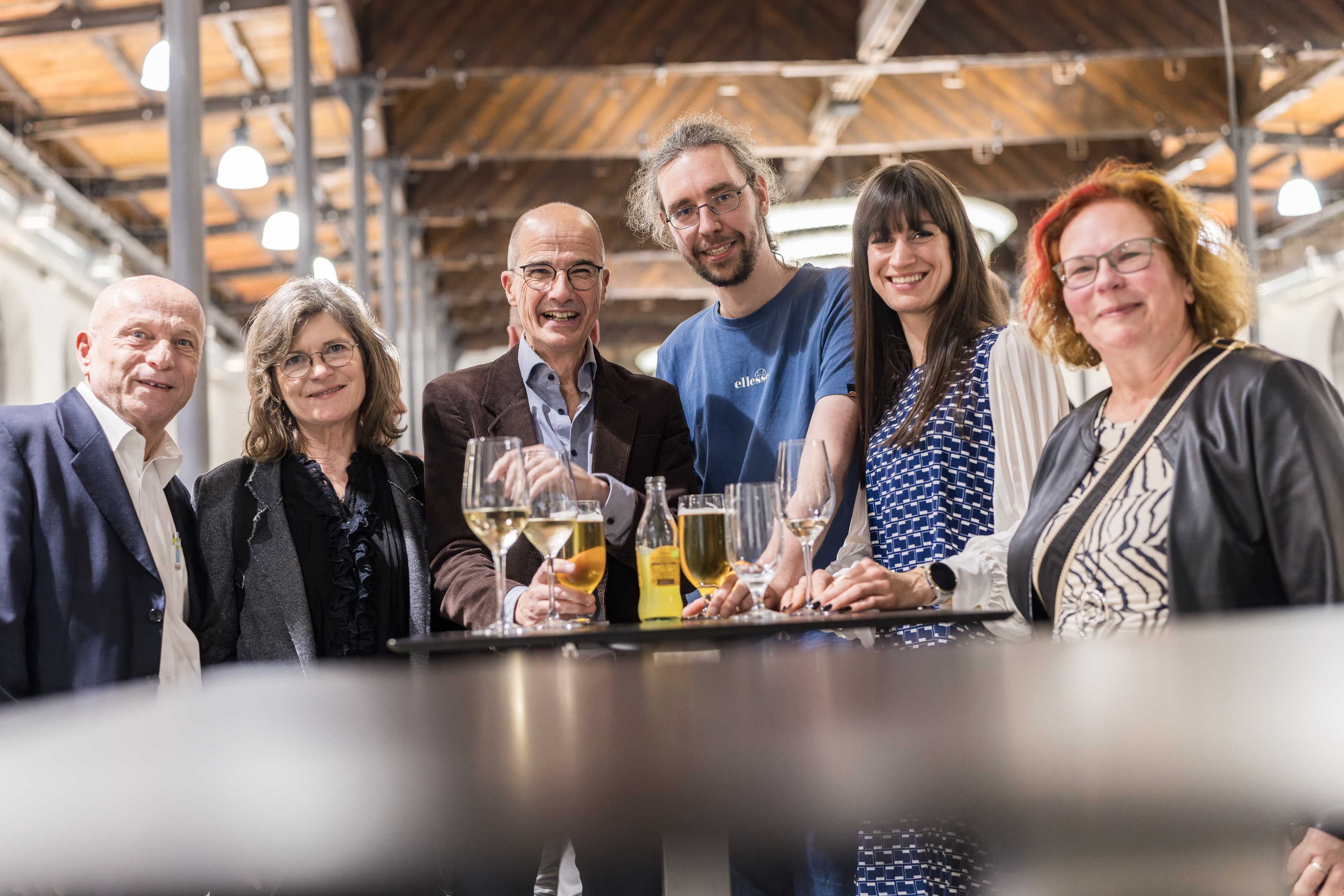
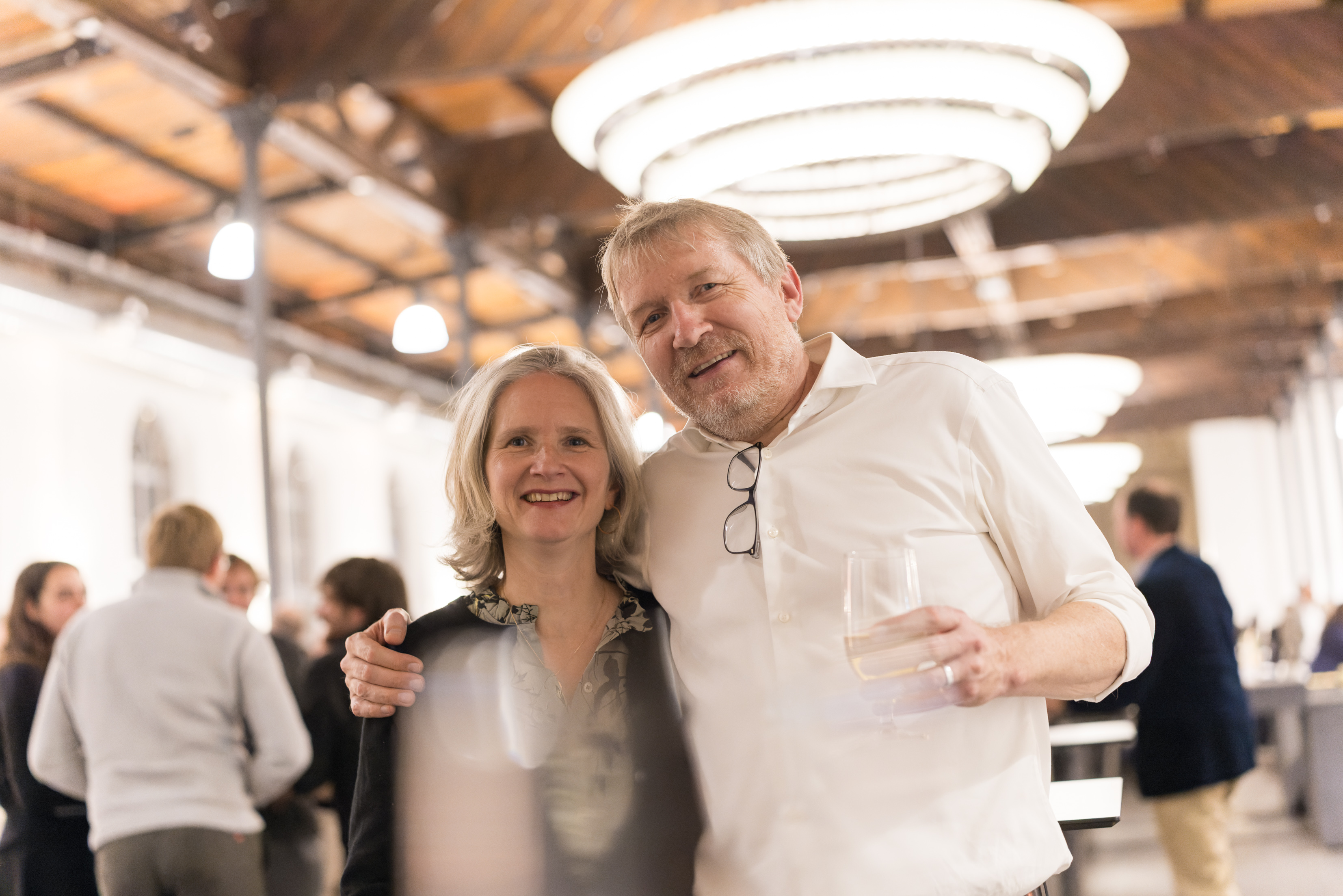
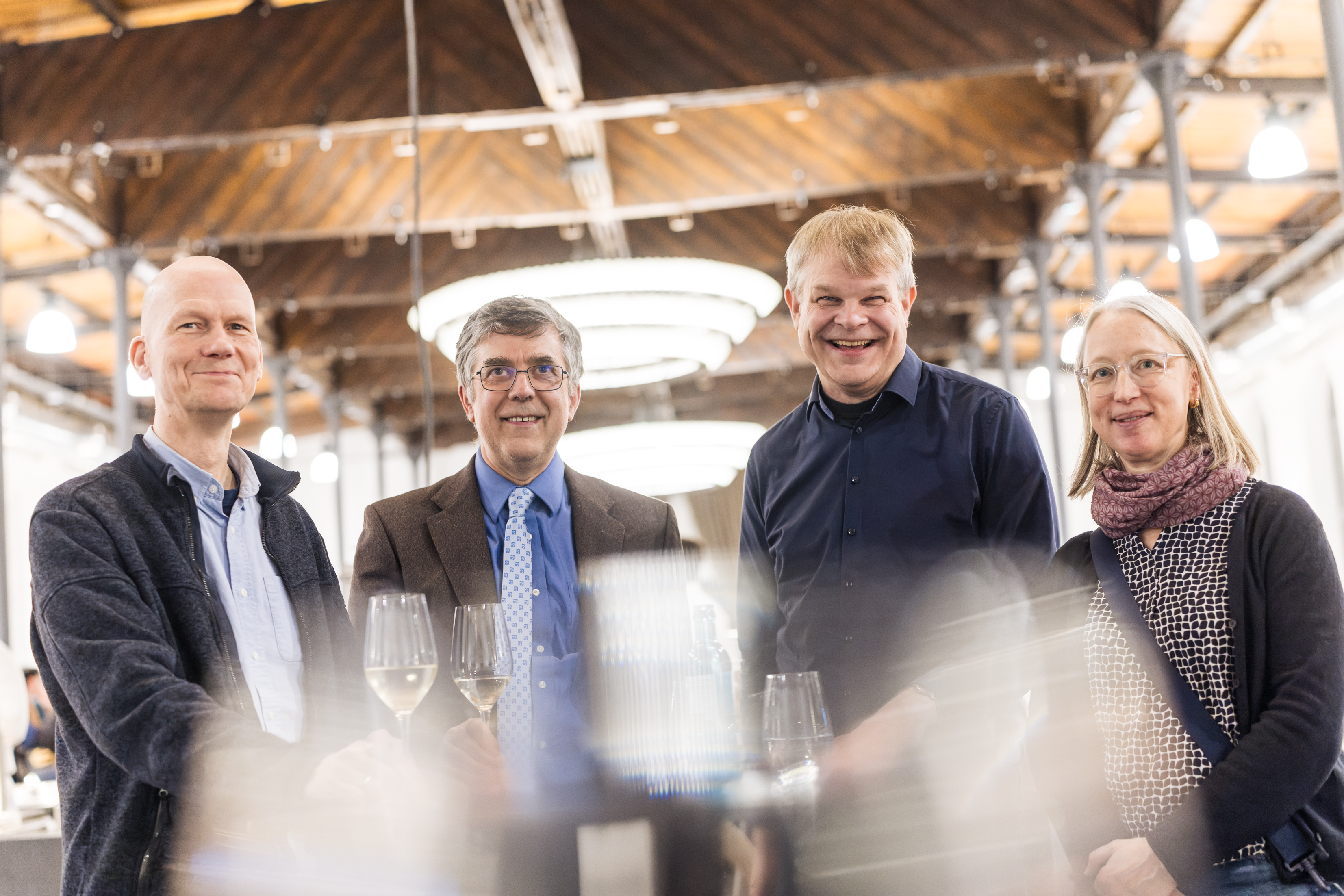
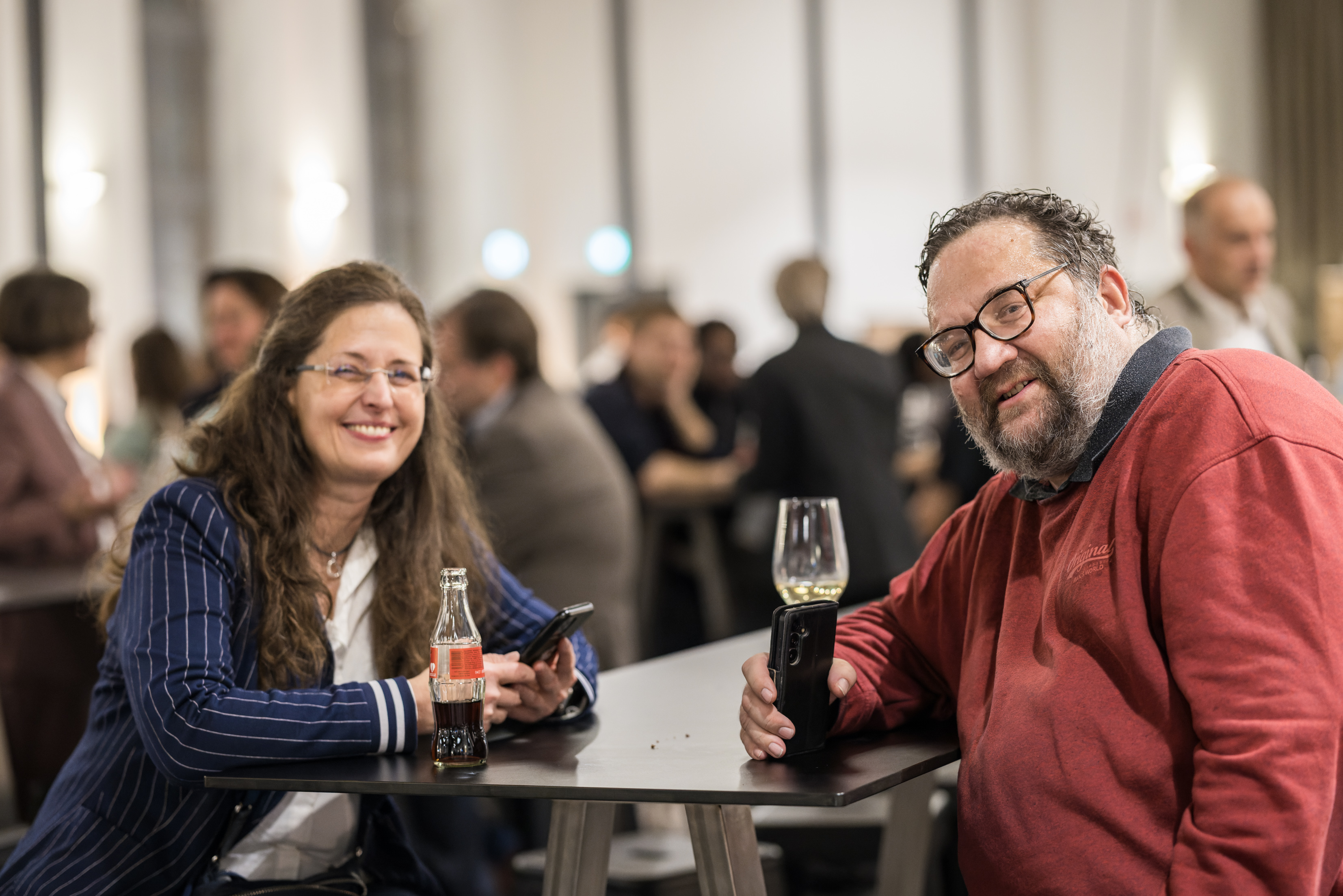
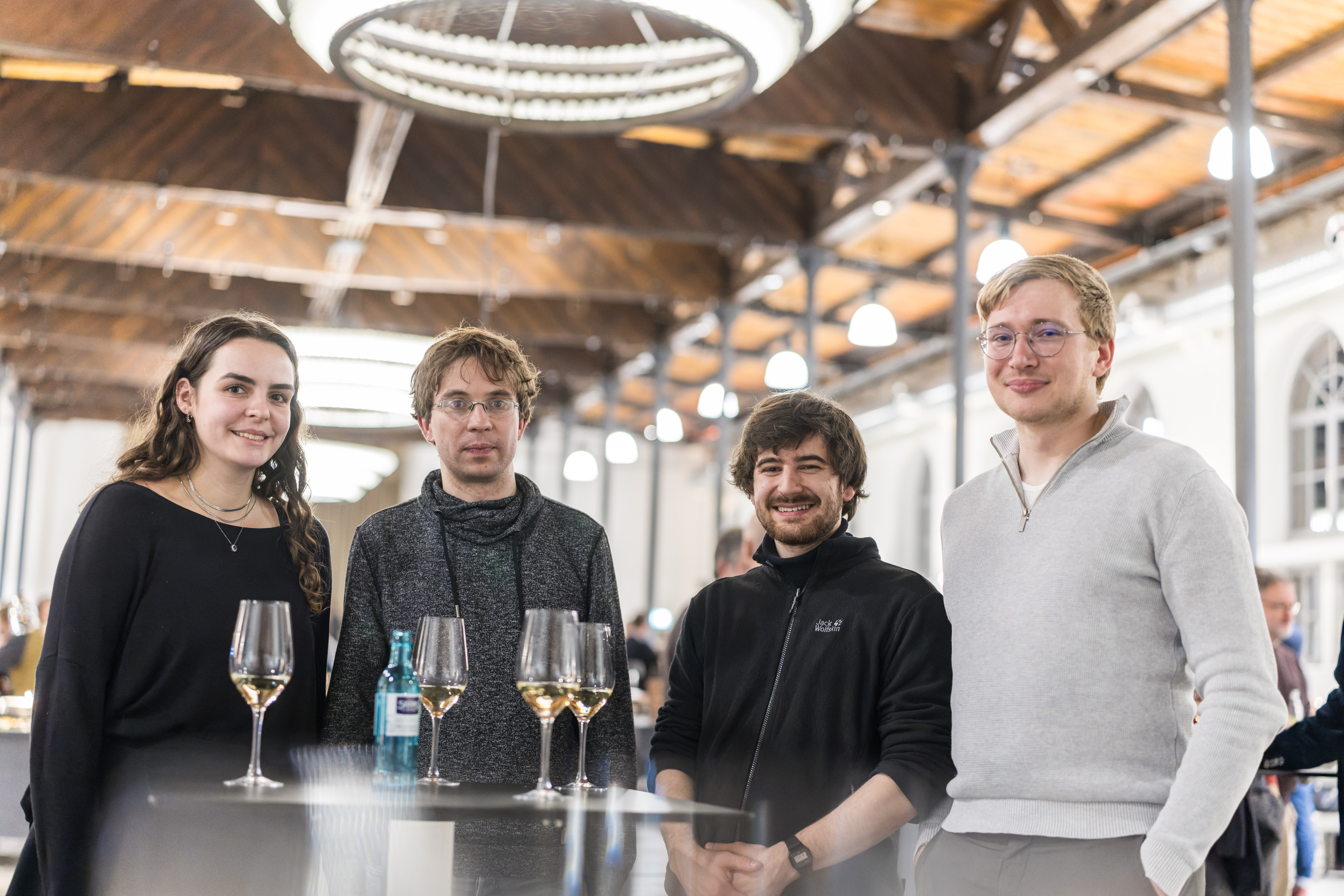


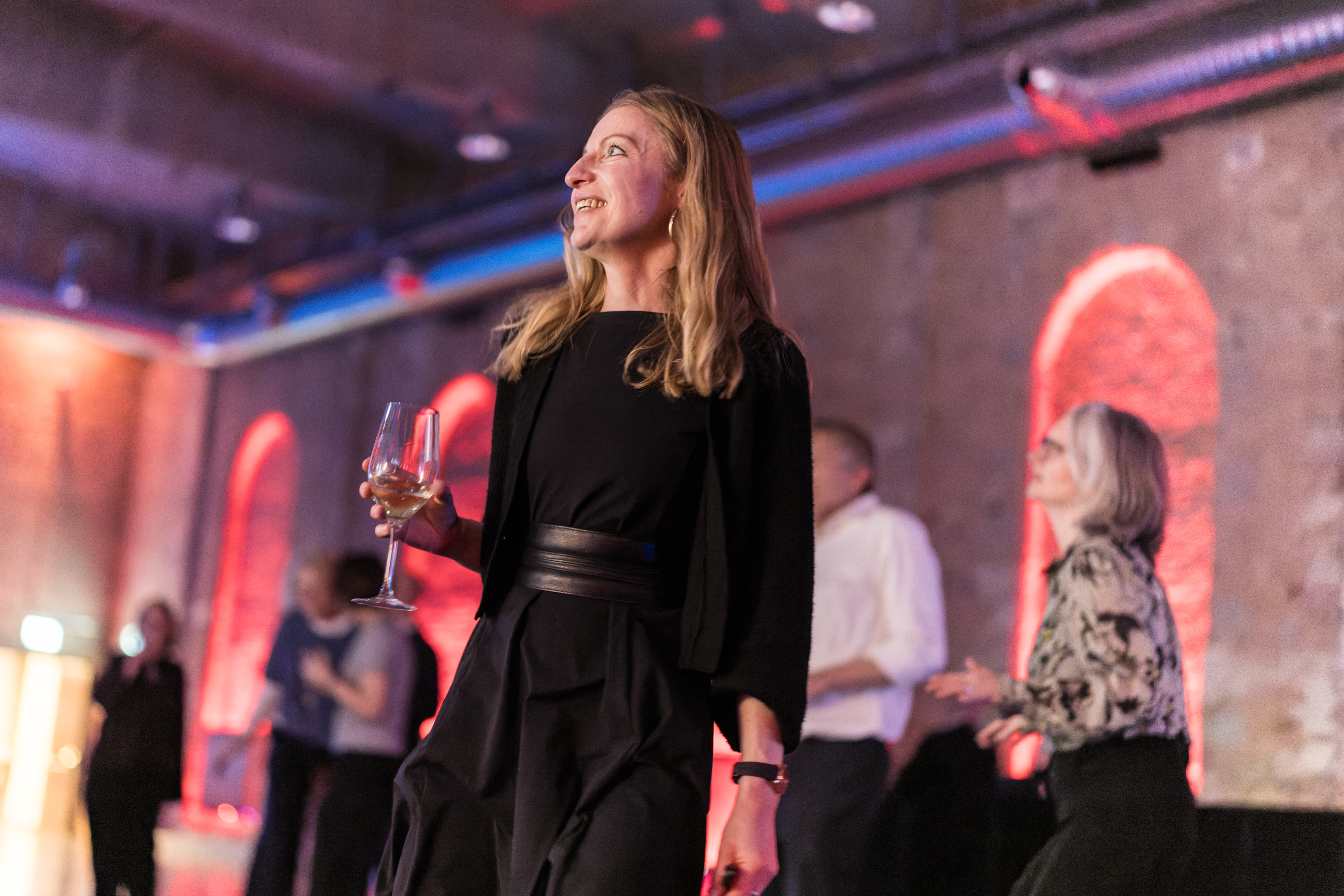

The Celebration Ceremony on 17 November was a wonderful evening. It began with a welcome from the MATH+ Chairs’ Team—Sebastian Pokutta, Claudia Schillings, and Andrea Walther—followed by a keynote address by Senator Dr. Ina Czyborra. Three Spotlight Talks by Christoph Spiegel, Benedikt Jahnel, and Nataša Djurdjevac Conrad highlighted success stories from MATH+ research. The four presidents and one director of the MATH+ partner institutions—Julia von Blumenthal, Christof Schütte, Fatma Deniz, Günter M. Ziegler, and Michael Hintermüller—then reflected on 20 years of achievements and looked ahead to the second funding period. Magician and emcee Thomas Fraps guided the audience through the evening’s program with wit and delightful surprises. The evening concluded with a lively reception and a dance party, accompanied by live music from the Birddogs, who had been performing throughout the evening. | Photos: © Kay Herschelmann / MATH+
In the fall of 2006, the joint graduate school of the mathematics departments at Berlin’s three major universities began its work. Through 2018, the Berlin Mathematical School (BMS) received funding as an independent graduate school under the Excellence Initiative. Since 2019, it has been integrated into the MATH+ Cluster of Excellence, which began its second funding phase in January 2026. MATH+ celebrated both milestones with a ceremony on November 17, 2026, attended by Senator for for Higher Education and Research, Health, and Long-Term Care Science, Dr. Ina Czyborra. The administrative office of BMS and MATH+ is located at Technische Universität Berlin..
“Anyone who wants to shape the future must be able to understand its complexity, and mathematics provides the essential foundations for this. In Berlin, three universities, the Weierstrass Institute, and the Zuse Institute have been collaborating across institutional boundaries for more than two decades. This has given rise to a world-class center for mathematics with international visibility. Mathematics in Berlin demonstrates what can be achieved when scientific excellence meets long-term vision, institutional openness, and collective creativity. I warmly congratulate the Berlin Mathematical School on its 20th anniversary and MATH+ on receiving renewed funding under the Excellence Strategy,” says Dr. Ina Czyborra, Senator for Higher Education and Research, Health, and Long-Term Care.
The BMS is a magnet for mathematical talent from around the world: A good half of its current 226 members come from abroad – from a total of 48 countries in Europe, Asia, North and South America, Africa, and Australia. “We compete directly with Harvard, Oxford, and ETH Zurich. We know this from conversations with our applicants,” says Prof. Dr. John M. Sullivan, Chair of Mathematical Visualization at Technische Universität Berlin and current spokesperson for the BMS. His co-chairs are Prof. Dr. Gavril Farkas (Humboldt-Universität zu Berlin) and Prof. Dr. Holger Reich (Freie Universität Berlin).
A Fields Medalist was Dirichlet Fellow at Berlin Mathematical School
More than 500 mathematicians have earned their doctorates at the BMS since 2006, and many now hold professorships at renowned universities around the world. “We are particularly proud of Prof. Dr. Maryna Viazovska, the 2022 Fields Medalist, who spent two years as a fellow in the Dirichlet Postdoctoral Program at the BMS,” explains Sullivan.
Integrating the Strengths of the U.S. System into German Education
“Originally, we just wanted to coordinate the doctoral programs at the three Berlin universities. The Excellence Initiative then offered the opportunity to join forces and thus compete with elite universities in the U.S., which we ourselves had experienced as doctoral students,” recalls Prof. Dr. Günter M. Ziegler, now president of Freie Universität Berlin and one of the initiators of the BMS on behalf of Technische Universität Berlin in 2006. The founding team also included Prof. Dr. Christof Schütte (Freie Universität Berlin) and Prof. Dr. Jürg Kramer (Humboldt-Universität zu Berlin). “Our goal was to establish individualized mentoring combined with the benefits of a structured education here in Berlin, a strong hub for mathematics,” says Ziegler.
The youth development program is divided into two phases
A bachelor’s degree is required for admission. Of the approximately 400 applicants each year, 40 are invited to Berlin for selection interviews, and typically 20 are admitted. During the first two-year phase, they earn their master’s degree; the subsequent doctoral program should be completed within three years, if possible. In addition to comprehensive academic guidance, participants receive language courses, assistance with finding housing and visa matters, as well as training in soft skills such as scientific communication, time management, self-management, and career planning.
MATH+: Application-Driven Mathematical Research with Societal Relevance
BMS is part of the MATH+ Cluster of Excellence, which, in its second funding phase from 2026 to 2032, is dedicated to the applications of mathematical research. “We want to intensify our collaboration with industry in the fields of mobility, energy, health, and technology,” explains Prof. Dr. Sebastian Pokutta, Executive Chair of MATH+ and Chair of Mathematical Optimization at Technische Universität Berlin. Other spokespersons include Prof. Dr. Claudia Schillings (Freie Universität Berlin) and Prof. Dr. Andrea Walther (Humboldt-Universität zu Berlin). In addition to the three universities, the Weierstrass Institute for Applied Analysis and Stochastics (WIAS) and the Zuse Institute Berlin (ZIB) are also participating in MATH+.
About Berlin University Alliance
Berlin University Alliance – a consortium of Freie Universität Berlin, Humboldt-Universität zu Berlin, Technische Universität Berlin, and Charité – Universitätsmedizin Berlin – positions Berlin as one of the world’s leading knowledge- and innovation hubs, where collaboration across disciplines and sectors is deeply integrated. Together, this ecosystem contributes to advancing major global transformations. Berlin University Alliance is funded by the Federal Ministry of Research, Technology and Space and the State of Berlin under the German Excellence Strategy of the federal and state governments.
Press Release by the Berlin University Alliance in Coordination with Technische Universität Berlin and MATH+.
Stage photo with four presidents, one director, chairs, and the senator—From left to right:
Julia von Blumenthal (President of Humboldt-Universität zu Berlin), Christof Schütte (President of Zuse-Institut Berlin), Fatma Deniz (President of Technische Universität Berlin), Günter M. Ziegler (President of Freie Universität Berlin), Ina Czyborra (Senator for Higher Education and Research, Health, and Long-Term Care), Claudia Schillings (MATH+ Chair/FU), Michael Hintermüller (Director of Weierstraß-Institut), Sebastian Pokutta (MATH+ Chair/TU), John M. Sullivan (BMS Chair/TU), Andrea Walther (MATH+ Chair/HU), Holger Reich (BMS Chair/FU). | Photos: © Kay Herschelmann / MATH+